



there are his preface and his afterword, along with excerpts from the Law of Novo Brdo, the renowned mining center.
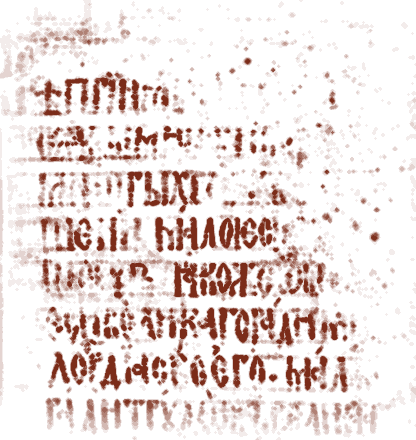
Besides these works, the literary legacy of Stefan Lazarević also includes his charters, and especially their introductory parts - the arengas, which bear a strong poetic and philosophical tone. It is known that Despot Stefan issued a large number of sovereign charters. Several of these grants of the Despot have come down to us, among them the charters to the monastery of Hilandar, the Charter to Despotess Jevpraksija, the Charter to the monastery of Mileševa,
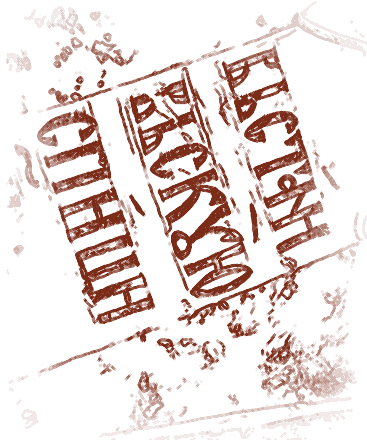
the Charter to the monasteries of Tismana and Vodica, the Charter to the Athonite monastery of Saint Panteleimon - Rusikon, the Charter to the monastery of Vatopedi and the charters to the monastery of the Great Lavra... Unfortunately, not all of Despot Stefan's charters have survived: for example, from the Life of Despot Stefan, written by the Despot's contemporary Constantine the Philosopher, we know an excerpt from his charter to Belgrade, but the charter itself has not survived. Some other charters, such as the charter to the monastery of Manasija - Resava, have not survived either.
The Despot's literary activity also includes his letters - some fifty letters exchanged in correspondence between Despot Stefan and the people of Dubrovnik have survived (they were published by Aleksandar Mladenović). Besides the charters and the letters to Dubrovnik, a certain number of letters of Despot Stefan written in Latin have also survived - addressed mainly to his subjects and other persons in Hungary, such as the letter to Bishop Stephen Upori written in Kruševac on February 18, 1417, or the letter to Stephen of Remete written in Belgrade, or the letter to the Despot's representatives in the County of Szatmár, Stephen of Remete and Benedict Himfi the Younger, written in Batočina, or the letter on the rights of the Pauline monastery of Saint Lawrence near Buda, which Despot Stefan sent to his Hungarian officials from Buda on June 15, 1424, or the deed of Despot Stefan concerning the annual fair in the town of Munkács, written in Nekudim on May 6, 1427.
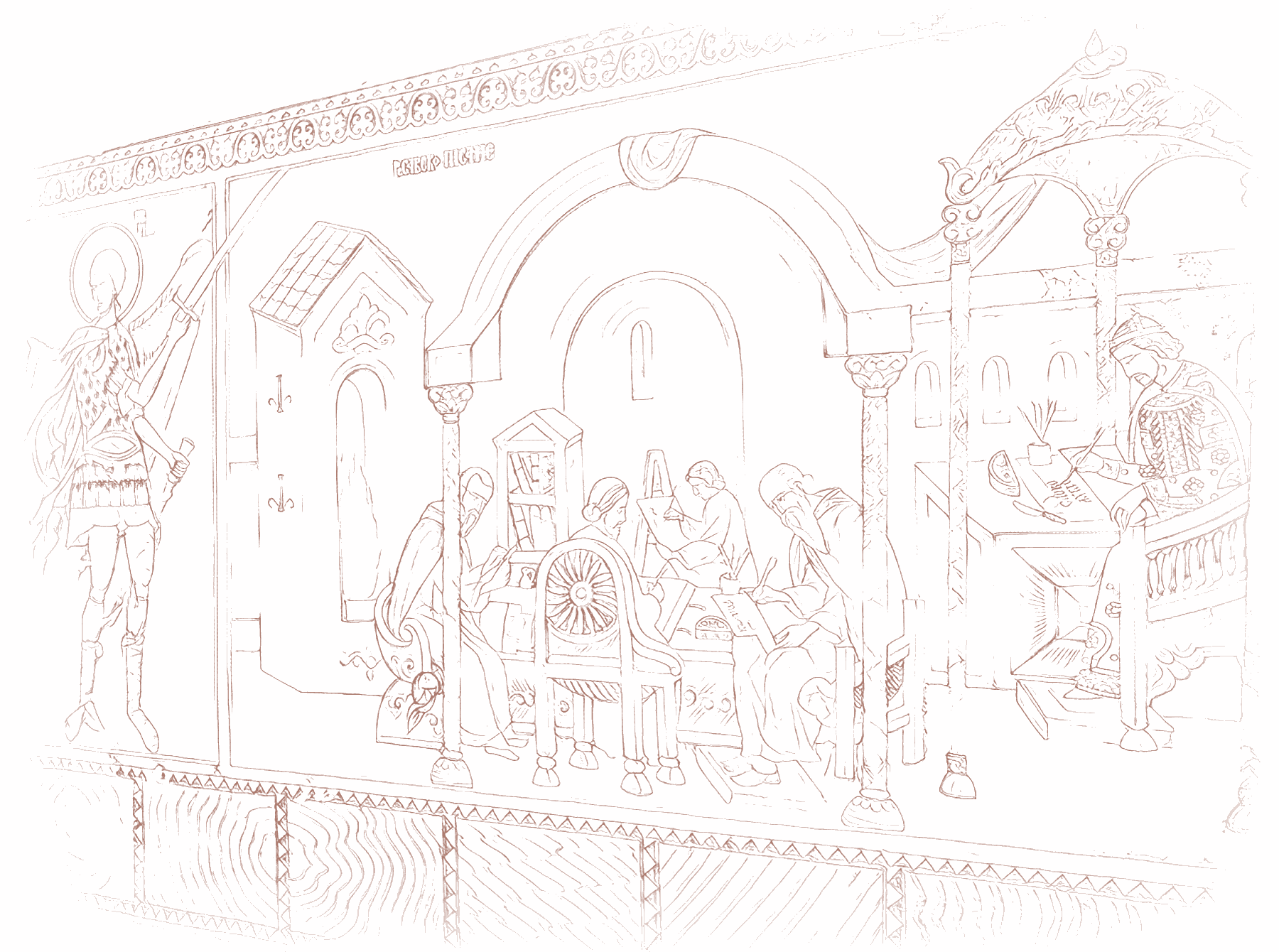
Despot Stefan Lazarević was not only a great ruler, but also a pillar of Serbian literature and art. As a man of exceptional learning, he gathered writers and thinkers, both native and foreign, not only as their protector but also as one of them. His written legacy shows that he also possessed literary talent. He translated from Greek and created original works.
Thanks to him, to his dedication, his labor and his patronage, Serbian letters and culture did not lose their centuries-old roots. In the writings of Despot Stefan, too, we find traces of the renewal that flourished in his time. In the Charter to the monastery of Hilandar from the year 1406, the Despot bears witness to a new golden age, invoking the biblical words of the Prophet Isaiah: "And the isles were renewed, and a new heaven and a new earth..." (Is. 65, 17; 66, 22). After a time of suffering, Serbia was ready for a spiritual and political rebirth.