



Imperial Lavra of the Holy Trinity
About the Monastery
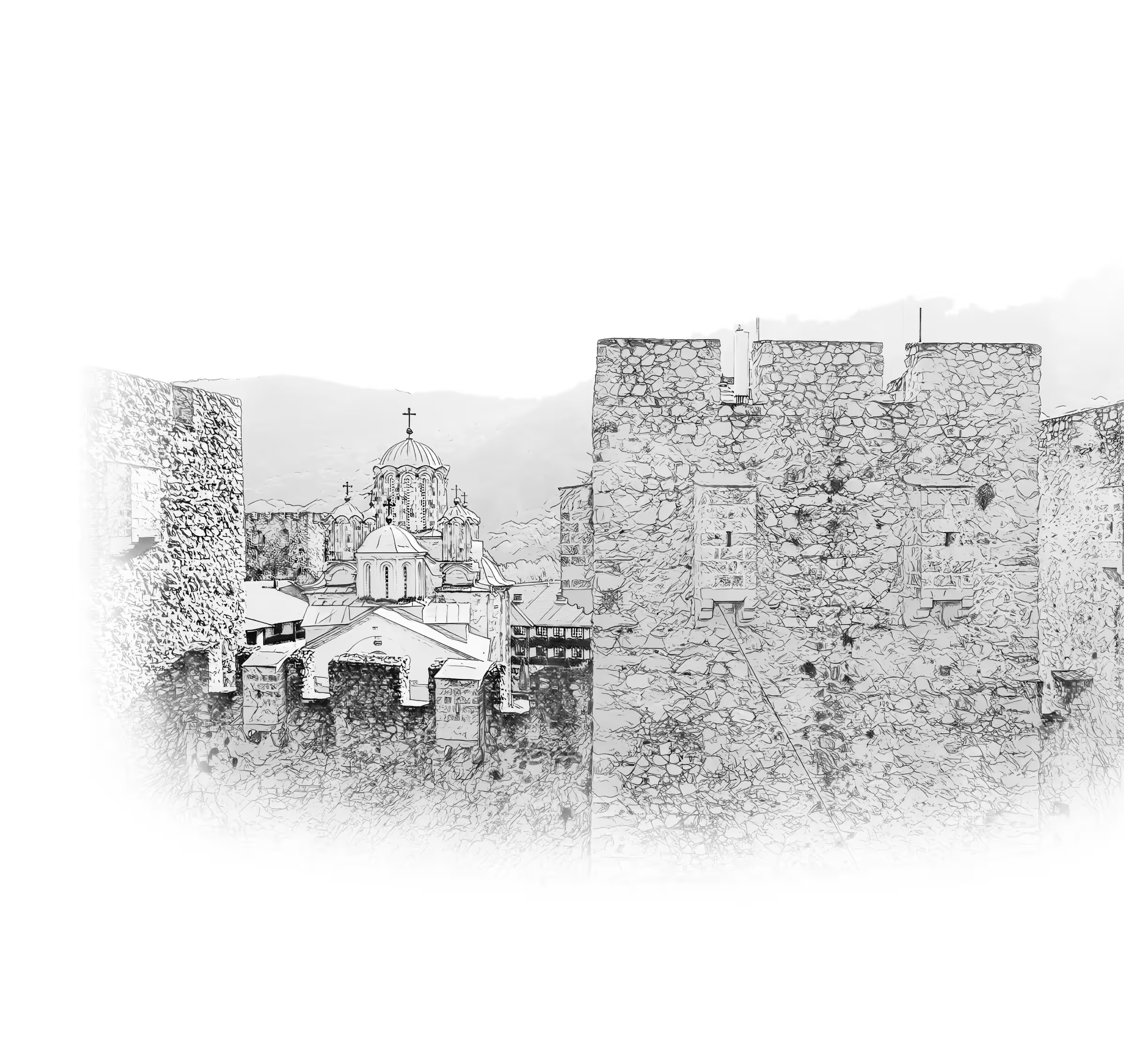
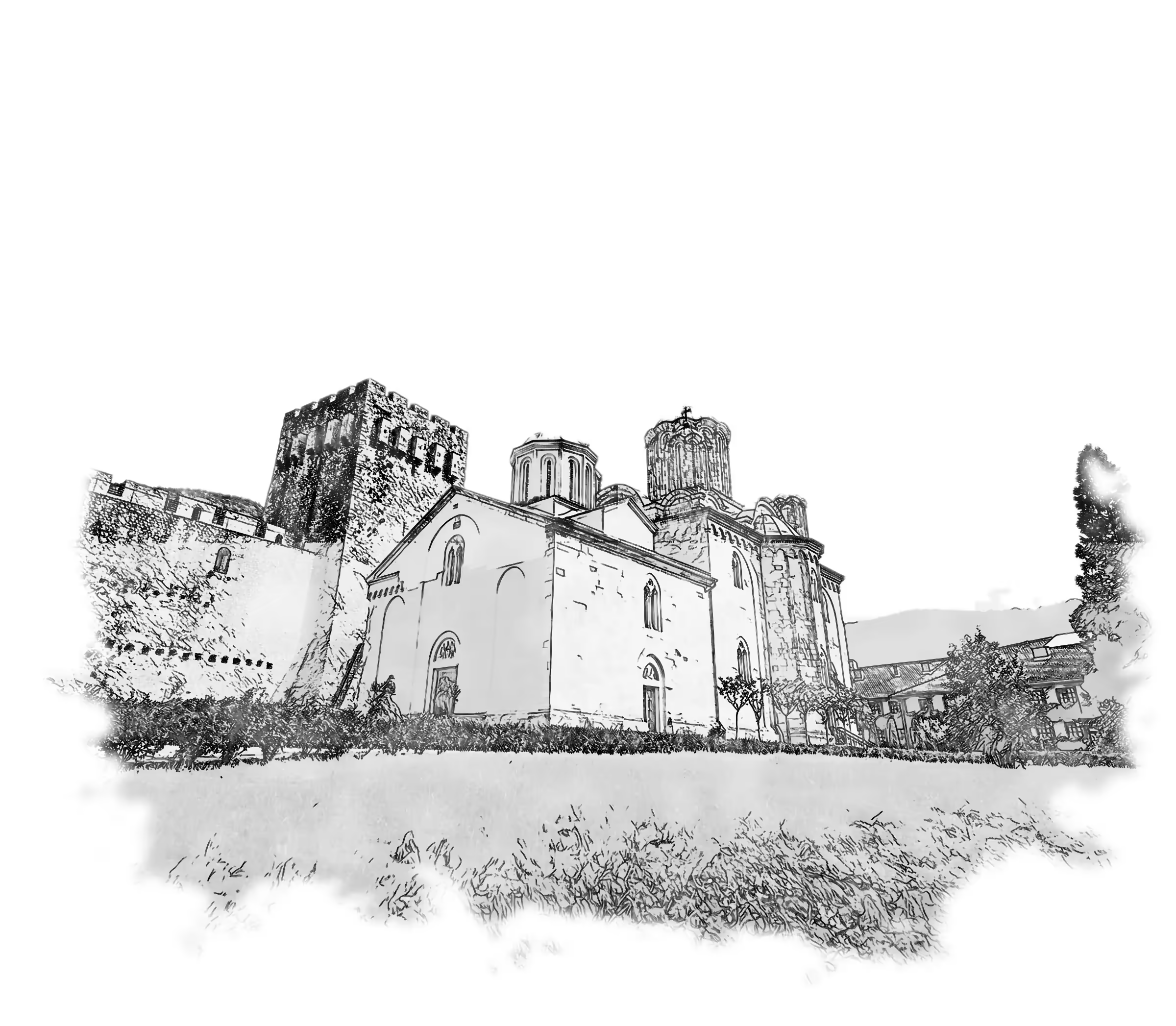
Manasija Monastery, also known by its older name Resava, stands on the right bank of the Resava River near Despotovac. It is the endowment of Saint Despot Stefan Lazarević, son of the Serbian Saint Prince Lazar and Princess Milica. Construction began in 1406 or 1407 and was completed with the consecration of the Church of the Holy Trinity on May 15, 1418. Manasija is a unique masterpiece of Serbian medieval architecture and art, enclosed by ramparts with towers.
HISTORY OF MANASIJA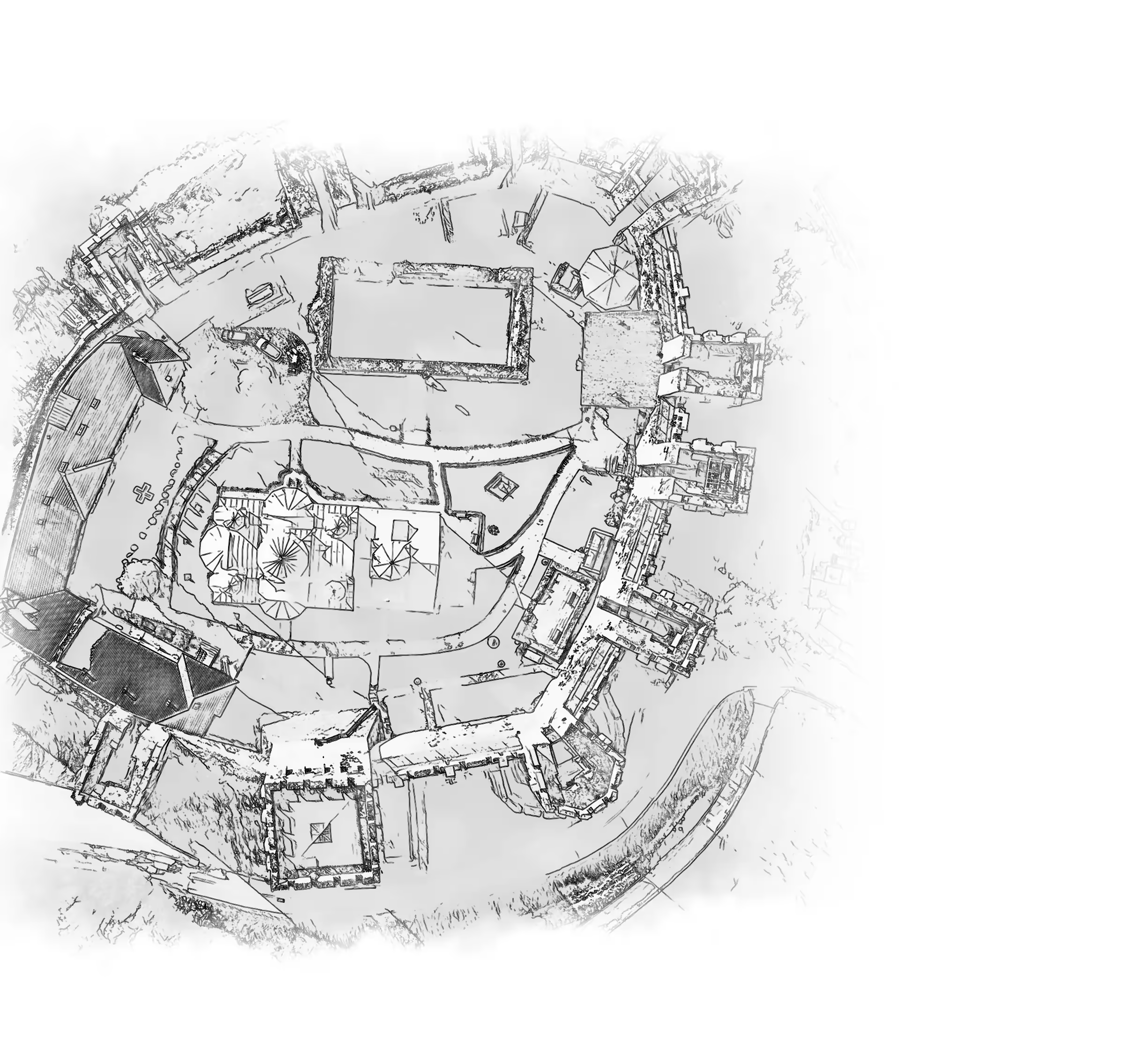
Destruction and Renewal
The Fate of the Monastery
In the centuries after its founding, Manasija passed through grave trials. It suffered heavily under the Ottomans: apart from the Church of the Holy Trinity - badly damaged - and the bare walls of the refectory, none of the original buildings for monastic life survived. Monastic life in the monastery gradually died out.
Since the 19th century, when the monastery was restored, the monks have once again been building lodgings and other structures. Today the relics of Saint Despot Stefan Lazarević, the founder of this endowment, still rest in the Church of the Holy Trinity.
CHURCH OF THE HOLY TRINITY
From 1406 to the present
History
Six centuries of Manasija - from the raising of the Despot's endowment, through destruction and exile, to its renewal and the life that continues to this day.
I · 1406 – 1427
Raising the Endowment
The Despot builds the endowment in which he himself will rest
1406/7
Foundation
Despot Stefan Lazarević begins to build his endowment on the right bank of the Resava - the Church of the Holy Trinity, enclosed by ramparts with towers.
1418
Consecration
The endowment is completed: on May 15 the Church of the Holy Trinity is consecrated.
1427
Death of the Despot
Saint Despot Stefan reposes and is buried in his endowment, in the Church of the Holy Trinity at Manasija.
II · 15th century
Under Ottoman Rule
A fortress raised to protect - falls into foreign hands
1439
An Ottoman Garrison
The Ottomans take Resava and station a garrison in the monastery. After the Peace of Szeged in 1444 they withdraw, and the Serbian state is restored.
1456
“Resava Burned”
So records the Bijelo Polje Chronicle. Two years later, in 1458, the Ottomans again take the fortress of Resava.
1467
The Monk Nikon
The fortress holds a Turkish commander, soldiers and an imam, and the monk Nikon is also mentioned among its inhabitants. Around 1476 the monastery is turned into a storehouse.
III · 18th – 19th century
Renewals and Suffering
The monks return, flee and return once more
1720
The Monks Return
The monastery is restored and monks live in it once again; in 1725 Proegumen Arsenije begins its renovation.
1739
Exile
After the Peace of Belgrade the Turks again take the lands up to the Danube and the Sava, and the monks of Manasija flee to Srem, to Bođani Monastery. The fortress stands empty.
1790
Massacre
At the monastery the Ottomans treacherously execute some 200 Serbs who had been invited to come unarmed to negotiate a surrender.
1804 – 1844
Abbot Joanikije
Abbot Joanikije comes to Manasija and begins its renewal; after the uprising collapses he returns in 1815. In 1844 the church receives its first major restoration and is roofed again.
IV · 20th century – today
New Times
Manasija comes to life again
1907
Five Centuries
The 500th anniversary of the start of the monastery's construction is solemnly celebrated.
1927
Veneration of the Holy Despot
The veneration of Saint Despot Stefan Lazarević, founder of Manasija, is solemnly renewed.
1953
A Convent
Nuns come to Manasija; extensive archaeological research and the restoration of the fortress follow. For a time Saint Elder Sophrony Sakharov also lives at the monastery.
2006
The Despot's Tomb
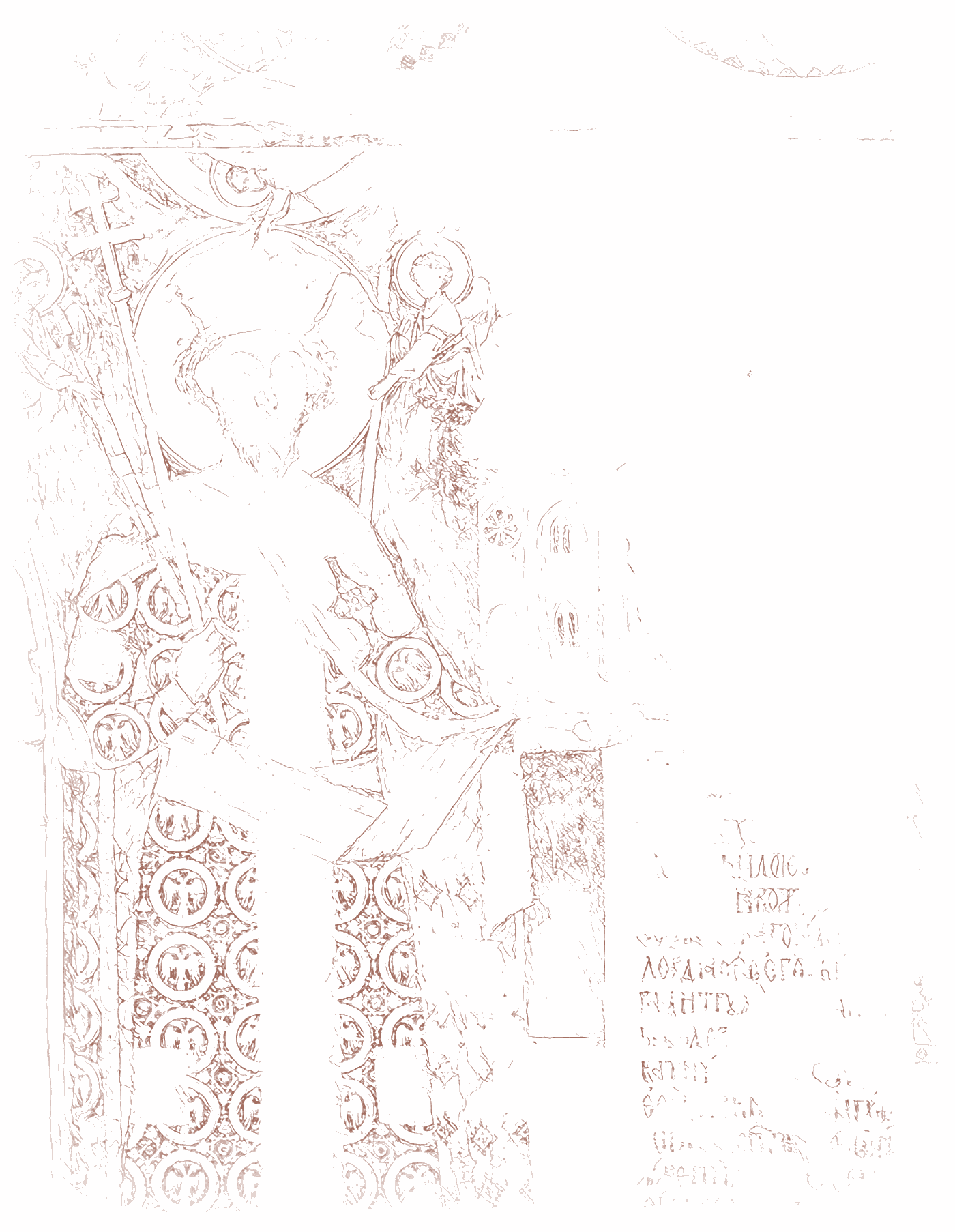
The tomb of Saint Despot Stefan is discovered in the nave of the Church of the Holy Trinity.
2022
Today
The monastery's status as a men's monastery is restored. Manasija remains a living monastic community, open to pilgrims and visitors.




Grounds and Lodgings
Manasija Monastery Today
Within the grounds of Manasija, beside the Church of the Holy Trinity, stand several buildings that house the life of the monastic community. The old monastic lodgings, set against the rampart beneath a single-pitched roof of beaver-tail tiles, have steadfastly withstood change.
Manasija has been declared a cultural monument of exceptional importance. Conservation work is under way to restore the walls, the towers and the Church of the Holy Trinity.
Manasija is a living monastic community, open to pilgrims and visitors. Every year thousands of faithful and travelers come to bow before the relics of the Holy Despot and to sense the spirit of old and everlasting Resava.
MANASIJA TODAY
Twelve towers
Towers
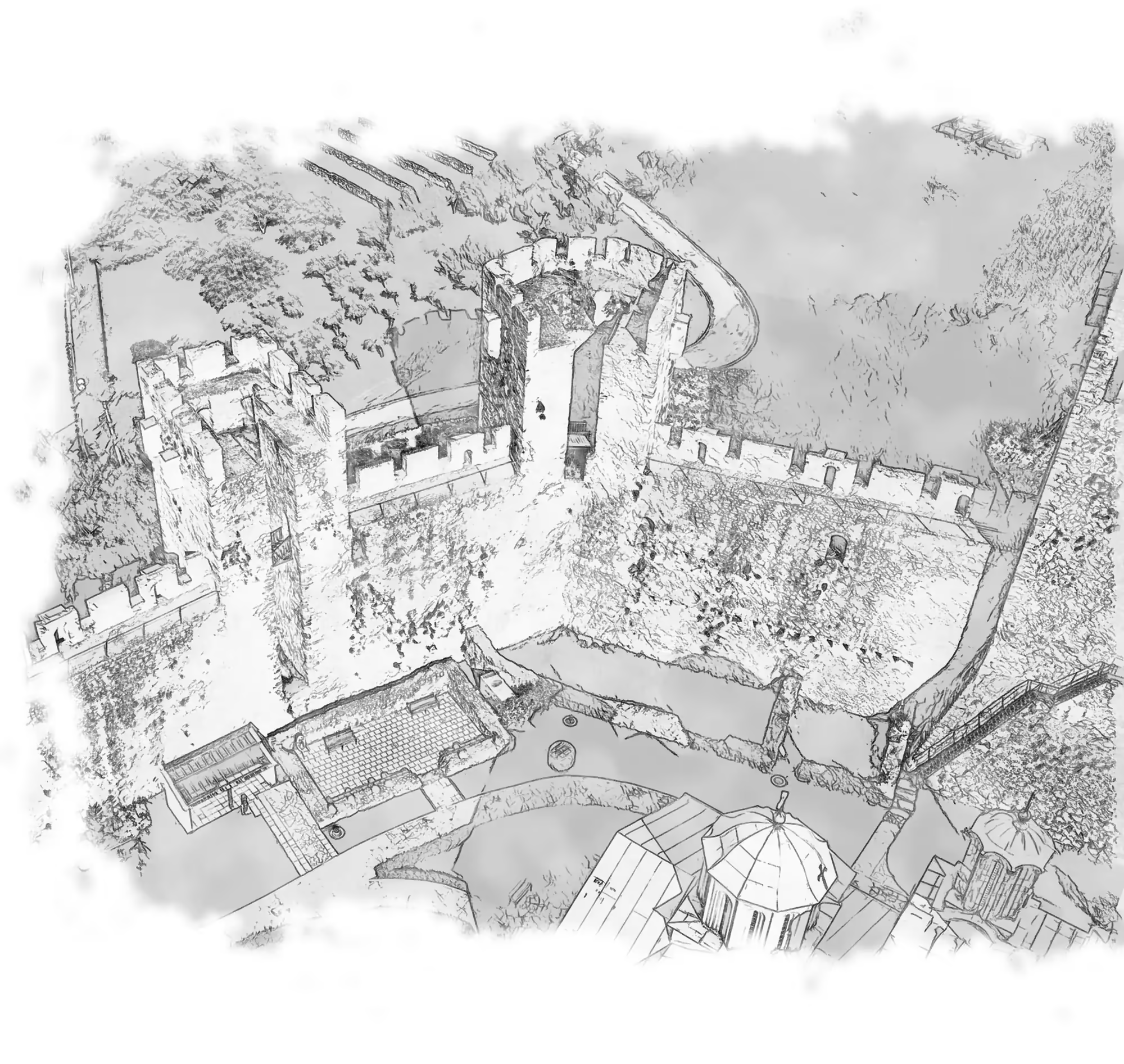
The fortress of Manasija comprises twelve towers, linked by strong ramparts. Apart from the Despot's Tower, the towers have a ground floor, six stories and a wall walk with crenellated battlements. Machicolations - rare defensive features in medieval Serbia - adorn the towers and ramparts of Resava.
Within the walls
Interior
Within the walls stood the monastic lodgings, the refectory and, at the center, the Church of the Holy Trinity. The architecture of the whole complex bears witness to the supreme skill of the builders whom Despot Stefan sought out far and wide.
Ramparts and defense
Position
Thanks to its strong walls and harmoniously conceived defenses, the fortress of Manasija is today regarded as the best-preserved fortified complex of medieval Serbia.
Heritage
The Significance of Manasija
Manasija is the endowment of Saint Despot Stefan and a gathering place of learned monks - within its walls the Resava School flourished. Manuscripts and linguistic standards created at Manasija influenced the development of literacy in Russia, Bulgaria and Romania.
Today Manasija is not only a historical monument but also a place where the spiritual and cultural heritage of the Serbian people is continually preserved and handed down.
THE RESAVA SCHOOL