




a mystical and prophetic work colored with apocalyptic tones, which foretells the fate of the Orthodox Balkan lands faced with the threat of conquerors of another faith.
The Despot's translation was made between 1400 and 1407. This writing was first published by Đuro Daničić (1825–1882); it was translated into modern Serbian by Đ. Sp. Radojičić.
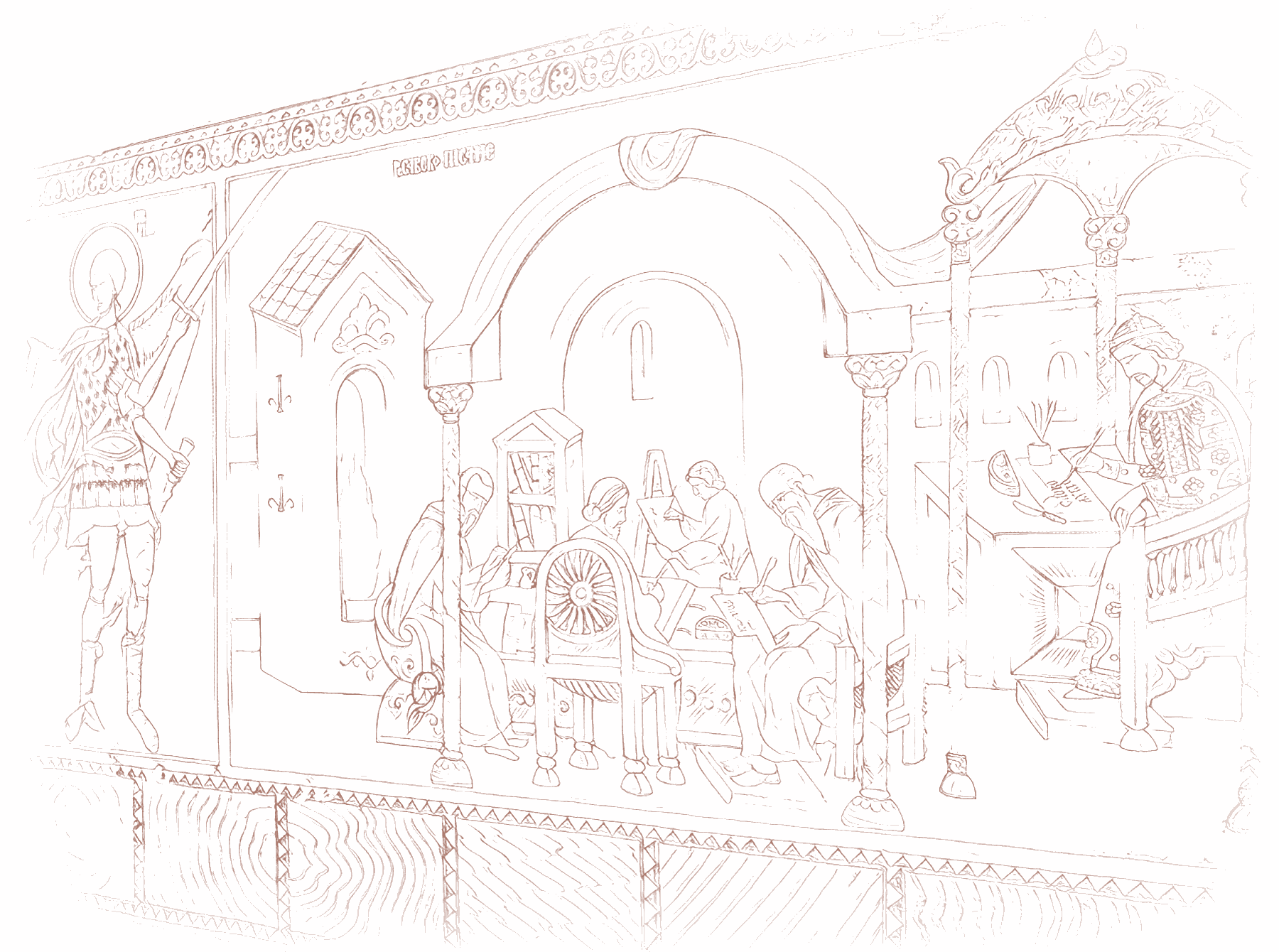
The Karlovci Genealogy asserts of Despot Stefan that he "translated many writings from Greek," more than earlier translators had translated [SRL 40: 28–29; SSRL 31],. Unfortunately, of his translations only the text On the Times to Come is known; it is not known what the other translation works of the pious Serbian Despot might have been.
His original works, however, are of greater significance.
Despot Stefan Lazarević composed several works of high poetic value.
One of them is the work known by the title Funeral Lament over Prince Lazar, of which only a few lines have survived. This work is regarded as a son's personal lament for his father, and it was written on the occasion of the translation of Lazar's body from Priština to Ravanica.
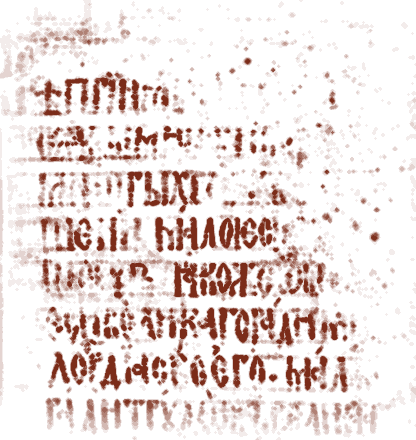
The Funeral Lament over Prince Lazar "preserved the memory of the great and universal weeping and wailing with which the people mourned Prince Lazar, the Despot's father," in the view of Milica Milidragović. This writing also bears witness to the cult of the Holy Prince, which developed practically immediately after his martyrdom at Kosovo. A part of the Funeral Lament over Prince Lazar, which the title claims to be the work of "the lord Stefan, Despot of Serbia," is preserved in the treasury of the Meteora monastery in Greece, in a 15th-century manuscript. Several lines of this work of Despot Stefan were published in Serbian translation by Đorđe Trifunović.
In the short surviving fragment, the inspired author cites Holy Scripture - the Book of the Prophet Jeremiah and the Gospel according to Matthew (this is one of the hallmarks of Despot Stefan's writing - his language is always biblical, ever rich in biblical allusions and quotations); already in the next sentence he mentions King David as well, but his announced and, we may presume, quoted words, probably from the Psalter, have remained unknown to us:
Of the ever-remembered among emperors and Christ-loving lord Stefan,
Despot of Serbia, a homily - a funeral lament.
Bless, father.
Behold how the present lamentation and wailing are heard from every side.
Is it not Rachel weeping for her children, because they are not? [Jer. 31, 15; Mt. 2, 18]
[No], but well-nigh the whole land is weeping for its leader!
For now not even the words of David to speak [...]