


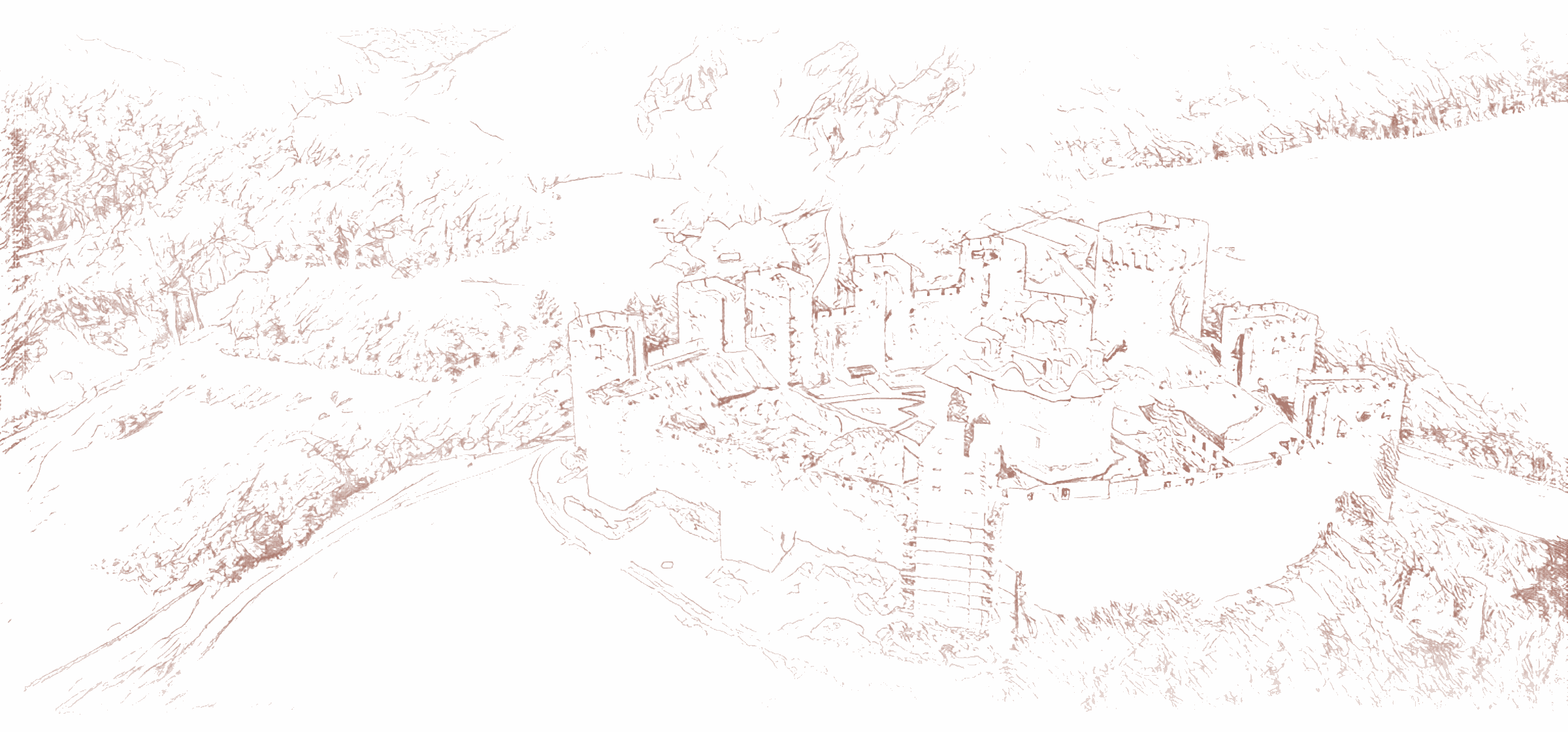
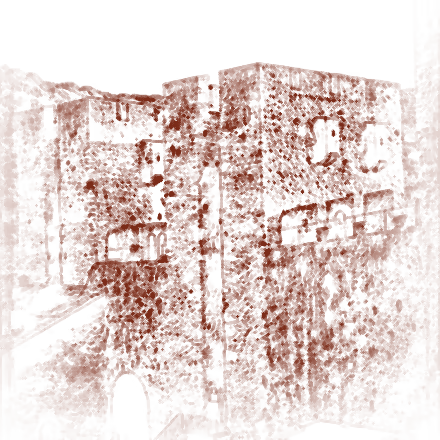
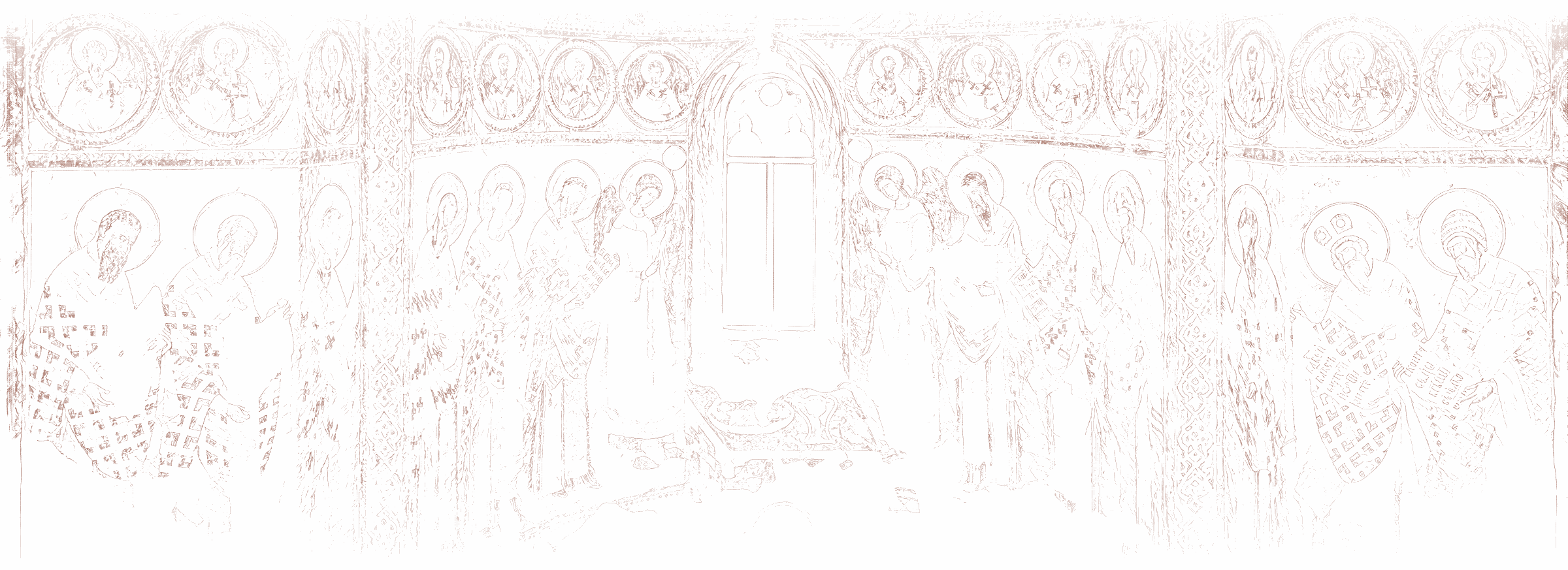
Hidden by the darkness of the centuries that passed under Ottoman bondage, the history of the monastery of Resava in the era of Turkish rule remains unknown. There are few sources in which the Resava monastery is mentioned. From the brief historical notes that survive, only an occasional detail flashes forth, contributing little of significance to unraveling the history of Manasija Monastery. Thus the Roman Catholic bishop of Ulcinj, Martin Segon († c. 1485), in his report to the Roman Pope Sixtus IV (1414–1484), written in 1481, mentions the glorious church of Resava as the tomb of kings and illustrious princes [MS II, 1 (87) (221– 222, 243)].13 Konstantin Mihailović of Ostrovica (c. 1435–1501), in his memoirs written around 1498, states that Despot Stefan rests in the monastery of Resava [KM XX].14 The same is confirmed by the Genealogy of the Branković Family of Srem from the end of the 15th or the beginning of the 16th century [RSB 163], and by the Russian Chronograph of 1512 [RH 204 (427, 429) (262–263, 268– 269)]. From other sources we learn that below the Resava fortress, beside the Resava River, the sanjakbey Ali Bey Mihaloğlu (1425–1500/1507) built a hammam at the end of the 15th century, at the latest somewhere around 1500.15 Felix Petančić (c. 1455–1517), in his description of the Serbian lands under Turkish rule from 1501, drawing on Segon's report, mentions the glorious church of Resava as the burial place of Despot Stefan [FP 6].16 On the other hand, neither the summary defter of the Sanjak of Smederevo from 1498 nor the Turkish census of 1516 mentions the Resava monks.17 According to the summary defter of the Sanjak of Kruševac from 1516,18 the garrison of the fortress of Resava, commanded by the dizdar Jusuf, consisted of 54 Muslims (among whom were the imam and khatib Hajrudin, and with him the muezzin Mahmud), and one Christian, named Bogdan [SDKS 302– 307; 564–570].19 The mention of an imam and a khatib in the Turkish censuses suggests that there was a mosque in the Resava fortress or near it, but it is not known whether at some point the monastery church was converted into a Muslim house of worship. There was also an Islamic endowment in the fortress: according to the summary census of the Sanjak of Smederevo from 1530, Ali Bey Mihaloğlu established his waqf in the fortress itself, which is still mentioned three decades after his death.20 Yet, on the other hand, in Serbian consciousness and culture the monastery of Resava, and especially the monastery's Church of the Holy Trinity as the burial place of the glorious Resava founder, continuously held an important place.
Thus, among the Serbian documents produced during the 16th century and later, the magnificent and renowned church of the monastery of Resava is mentioned by the Dorpat, Vrhobreznica and Ostojić Chronicles [SSH 126, 151, 156], the Verković and Dečani Chronicles [SRL 74: 28–31; SSRL 594б, 594д], and also the Branković Chronicle [SLDĐ 18; SSRL 1102, 1109, 1125;
- This report bears a long title which reads: Opusculum reverendi domini Domini Martini de Segonis natione Catharensis origine autem Serviani ex Novomontio aliter Novobardo dicto Dei gratia episcope Olchinensis, Ad Beatissimum Sixtum IV Romanum Pontificem. Tractatus de provisione Hydronti et de ordine militum Turci et eius origine. The church of Resava ("praeter celebre fanum Resavae, regum atque principum illustratum sepulchris") is mentioned in chapter II, 1 of this text.
- In the Czech edition of 1565 and in Šafarik's translation (from that edition), chapter XXI; cf. Historia, HJstoria neb Kronyka Turecka od něyakého Ráca neb Bosňjáka gménem Michaľa Konstantýna z Ostrowice někdy od Turkuow zagatého a mezy Genčáře daného wěrně a práwě sepsaná. Jtem Taženj proti Turku nayvhľawněyssjmu nepřjteli wsseho Křesťanstwa yakým spůsobem vžitečně před se wzato býti by měľo od téhož sepsané. Na koncy take přidany sau některe potřebné y vžitečné wěcy z Knih o Sľawných a vdatných Cžinech Oswjceného Knjžete Epirotského neb Albánského Giřjka Kastriota přjgmjm Sskanderbega wybrané kterak zmužile a statečně proti Amuratowi a Machometowi Otcy y Synu Cýsařúm Tureckým častokrát s maľým počtem lidu bogowaľ a mnohee sskody gim činiľ wssak sám od nich nikdá přemožen nebyľ o němž y w Hystorij této Turecké zmjnka se děge. M.D.Lxv. ([Litomyšl]: [Alexandr Aujezdecký], [1565]), Kapitola XXI [033], fol. 27r; Janko Šafarik, "The History or Turkish Chronicles of Mijailo Konstantinović, a Serb from Ostrvica, Written around the Year 1490. Translated and Published with an Explanatory Introduction by Dr. Janko Šafarik" („Мијаила Константиновића, Србина из Острвице, Историја или љетописи турски, списани око године 1490"), Glasnik of the Serbian Learned Society, vol. I (1865): 25–188: 89; Janko Šafarik, Mijailo Konstantinović, a Serb from Ostrvica, The History or Turkish Chronicles, Written around the Year 1490. Translated and Published with an Explanatory Introduction by Dr. Janko Šafarik (offprint from Glasnik of the Serbian Learned Society vol. I) (Мијаила Константиновића, Србина из Острвице, Историја или љетописи турски) (Belgrade: State Printing House, 1865), 65.
- Cf. Olga Zirojević, "Ali Bey Mihaloğlu, Sanjakbey of Smederevo" („Смедеревски санџакбег Али-бег Михалоглу"), Zbornik [Matice srpske] za istoriju 3 (1971): 9–27: 24; Dragana Amedoski, "Tracing the Forgotten Dervish Lodge (Zaviye) of Mihaloğlu Vakıflar Dergisi Alaaddin Ali Bey in Kruševac," 60, Aralık 2023 (2023): 9–21: 10–11, https://doi.org/10.16971/vakiflar.1315912.
- Cf. also the translation of Petančić's description in the text by P. Matković, in: Petar Matković, "Journeys in the Balkan Peninsula in the 16th Century" ("Putovanja po Balkanskom poluotoku XVI. vieka"), Rad Jugoslavenske akademije znanosti i umjetnosti, vol. XLIX (1879): 103–164: 121; Petar Matković, Journeys in the Balkan Peninsula in the 16th Century. 1. Felix Petančić and His Description of the Routes to Turkey (reprinted from vol. XLIX of the Rad Jugoslavenske akademije znanosti i umjetnosti) (Putovanja po Balkanskom poluotoku XVI. vieka. 1. Felix Petančić i njegov opis puteva u Tursku) (Zagreb: Tisak Dioničke tiskare, 1879), 19.
- Cf. Krstić, "The Bells of Resava and the Monks' Betrayal - On a Report from the Nikoljac and Branković Chronicles," 198; Olga Zirojević, "The Census of Monasteries of the Sanjak of Smederevo from 1516" („Попис манастира Смедеревског санџака из 1516."), Saopštenja XXVI (1994): 157–160: 158–160.
- Before this census, the mustahfizes of the Resava fortress had been included, by imperial order, in the Sanjak of Kruševac; cf. Dragana Amedoski, The Summary Defter of the Sanjak of Kruševac from 1516 = 1516 Tari̇hli̇ Alacahi̇sār Sancāğı İcmāl Defteri̇: Transkri̇psyon, Sırpçaya Tercüme ve Tıpkıbasım (Сумарни дефтер крушевачког санџака из 1516. године). Edited and with a foreword by Dragana Amedoski; ed. Aleksandar Rastović. Sources for Serbian History, vol. 18. Ottoman Sources, vol. 2 (Belgrade: Institute of History, 2023), 564.
- Cf. also Amedoski, The Summary Defter of the Sanjak of Kruševac from 1516, 23, 46.
- Cf. Srđan Katić and Uroš Urošević, "Waqfs in the Summary Census of the Sanjak of Smederevo from 1530" („Вакуфи у сумарном попису Смедеревског санџака из 1530. године"), Mešovita građa (Miscellanea), New Series, vol. XXXVI (2015): 37–72: 51, 61. But the waqf of Ali Bey Mihaloğlu - the hammam on the Resava River - was in fact located in the Resava outer settlement (podgrađe), which was likewise considered part of the Resava fortress, as A. Jakovljević notes: cf. Aleksandar Jakovljević, "The Lower Town and the Ottoman Town of the Resava Fortification, 15th–16th Centuries" („Доњи град и османска варош утврђења Ресава, XV–XVI век"), in: Days of Serbian Spiritual Transfiguration XXIV. The Middle Ages in Serbian Scholarship, History, Literature and Art VIII. Scholarly Conference, Despotovac - Manasija, August 20–21, 2016, ed. Gordana Jovanović, editorial board Stanoje Bojanin, Zlata Bojović et al. (Despotovac: Narodna biblioteka "Resavska škola" - Belgrade: Institute for the Serbian Language of SASA, 2017), 129–143: 141–142.