



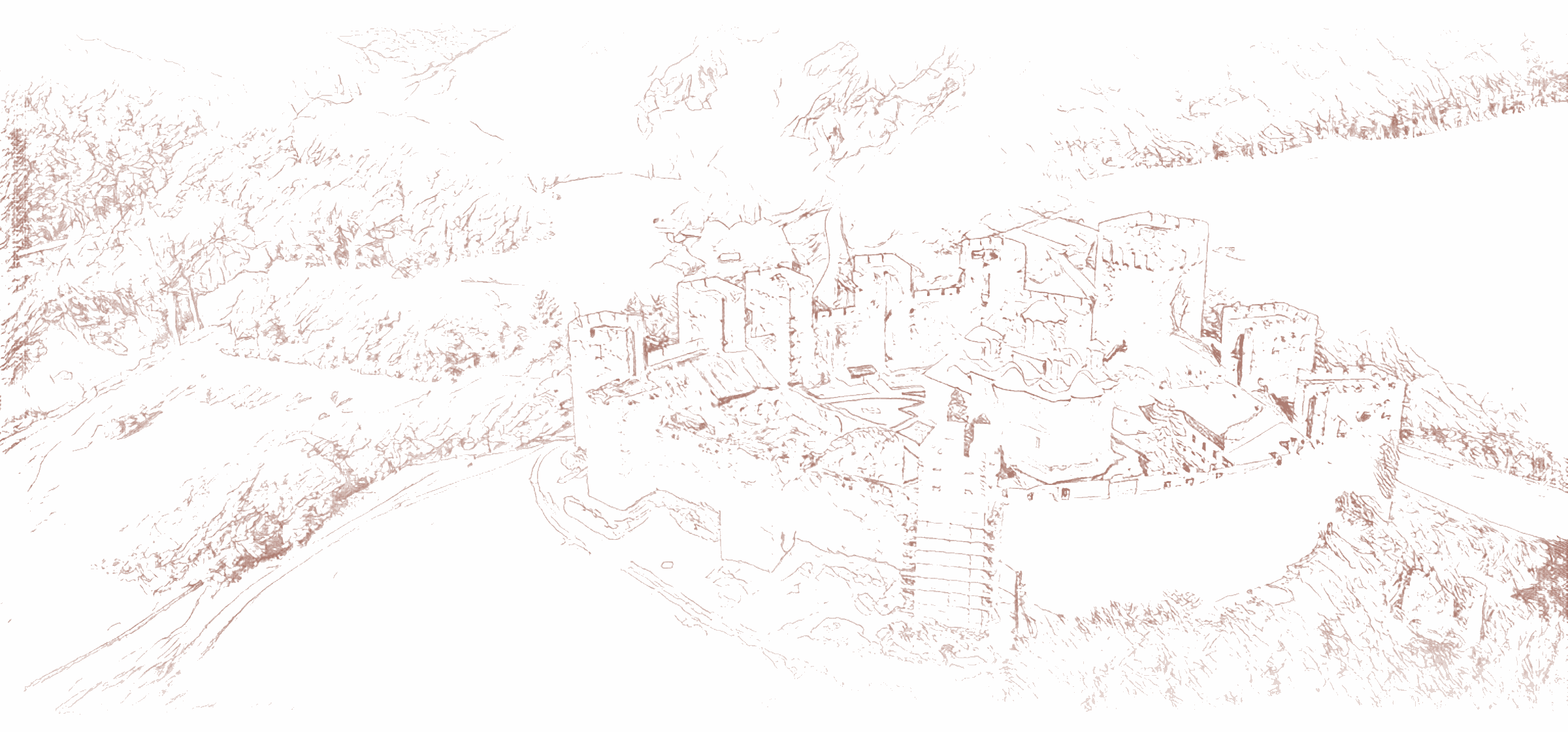
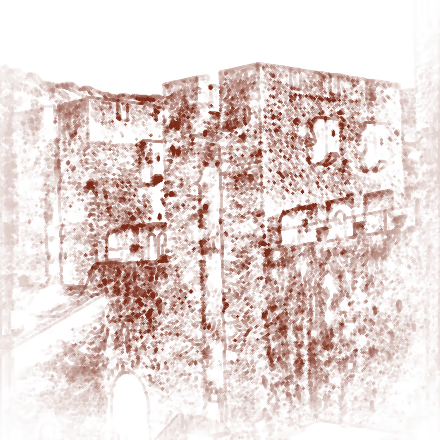
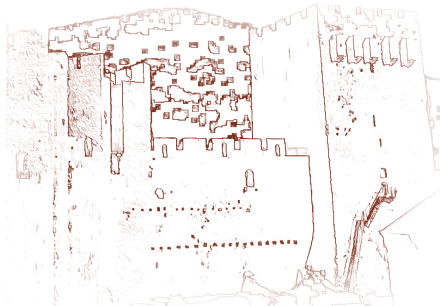
such as machicolations - projecting balconies for hurling missiles at attackers - and the additional outer walls represented a true revolution in medieval defensive architecture. Manasija thus reveals itself as a masterpiece of Serbian fortification art, an extraordinary expression of the wisdom and foresight of its founder, Despot Stefan Lazarević. Its fortress not only guards the monastery but symbolizes the resolve, spirituality and artistic skill of an age, remaining a never-silent witness to the history and culture of medieval Serbia.
The History of the Manasija Fortress
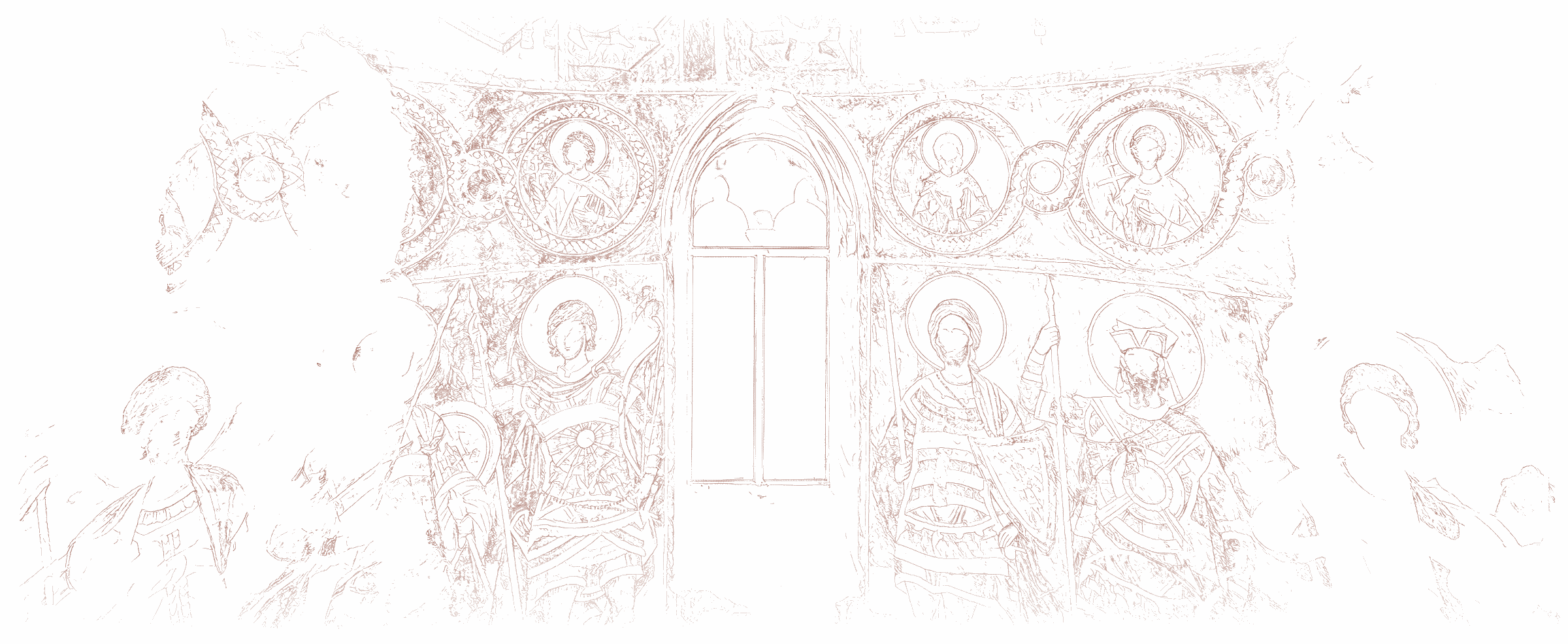
Manasija Monastery is the first Serbian monastery to have been built as a fortified one, that is, as a monastery-fortress. Although the history of Serbian architecture offers other examples of monasteries enclosed by protective ramparts, such as the monastery of Ravanica with its fortification, in those other cases the monasteries acquired the features of a fortress at a later stage of construction rather than originally. Manasija Monastery, on the other hand, was conceived as a monumental whole, and already at the time of its construction more than 600 years ago it was girded with a monastic fortification, sheltered by high ramparts with towers that still stand, protecting the Church of the Holy Trinity as the center of the monastic complex. In a certain sense the Manasija complex was conceived with multiple meanings, since from its foundation it constituted a unique whole that united several functions: it served as a monastic center, as a place for the cultivation of culture and literacy, as the place of eternal rest of a Serbian ruler, and also as a military stronghold. Certainly, the Manasija fortification protected first and foremost the monks of Manasija Monastery as its inhabitants. But historical circumstances were such that the fortified walls could not preserve the monastery. Already after the first fall of Smederevo under Ottoman rule, in 1439, a Turkish military garrison was stationed in the Resava monastery. Although Serbian statehood was soon briefly restored once more and the Resava fortress returned to Serbian hands, the collapse of the Serbian state again brought the Ottomans to Manasija Monastery. Mahmud Pasha Anđelović (1420–1474) captured the Resava fortress in 1458. Thus the fortified walls that Despot Stefan had raised for the protection of the monastery became the cause of the monastery's suffering under the Ottomans - who turned the Resava fortress into a military installation. Manasija Monastery was plundered and soon ceased to function. For some time an Ottoman garrison was stationed in the fortification. However, as the Ottoman conquests moved onward, the fortification lost its importance.