



but also by Western influences, especially from Hungary, was a meeting place of diverse cultural currents and ideas. In this time of turbulent change, the lands of the Serbian Despot became a refuge for numerous monks, who brought with them knowledge, spirituality and inspiration. Throughout the entire Serbian Despotate and in other Serbian lands, monasteries were raised as guardians of faith, art and literature. Ravanica, Manasija and other endowments became symbols of an inextinguishable light that shone despite the shadows looming over the land.
The Image of Despot Stefan in the History of the Church and of the People
Besides Manasija Monastery, Stefan was the founder of other churches as well. He restored the monastery dedicated to the Most Holy Theotokos in Belgrade, which housed the seat of the metropolitan. He also raised several churches in Belgrade - the Church of the Three Holy Hierarchs, the Church of Saint Nicholas, beside which he also built a "hospice for the sick," that is, a hospital [ŽDS 51], and so on. In the time of Despot Stefan the Belgrade fortress and its surroundings were enriched with numerous endowments, of which unfortunately only church ruins and monastery sites have survived to this day, which popular and church tradition ascribe precisely to him as founder, such as the monastery dedicated to the Entry of the Most Holy Theotokos into the Temple at Vinča, or certain monasteries on Kosmaj and Rudnik - Pavlovac, Kastaljan, Nikolje and others.
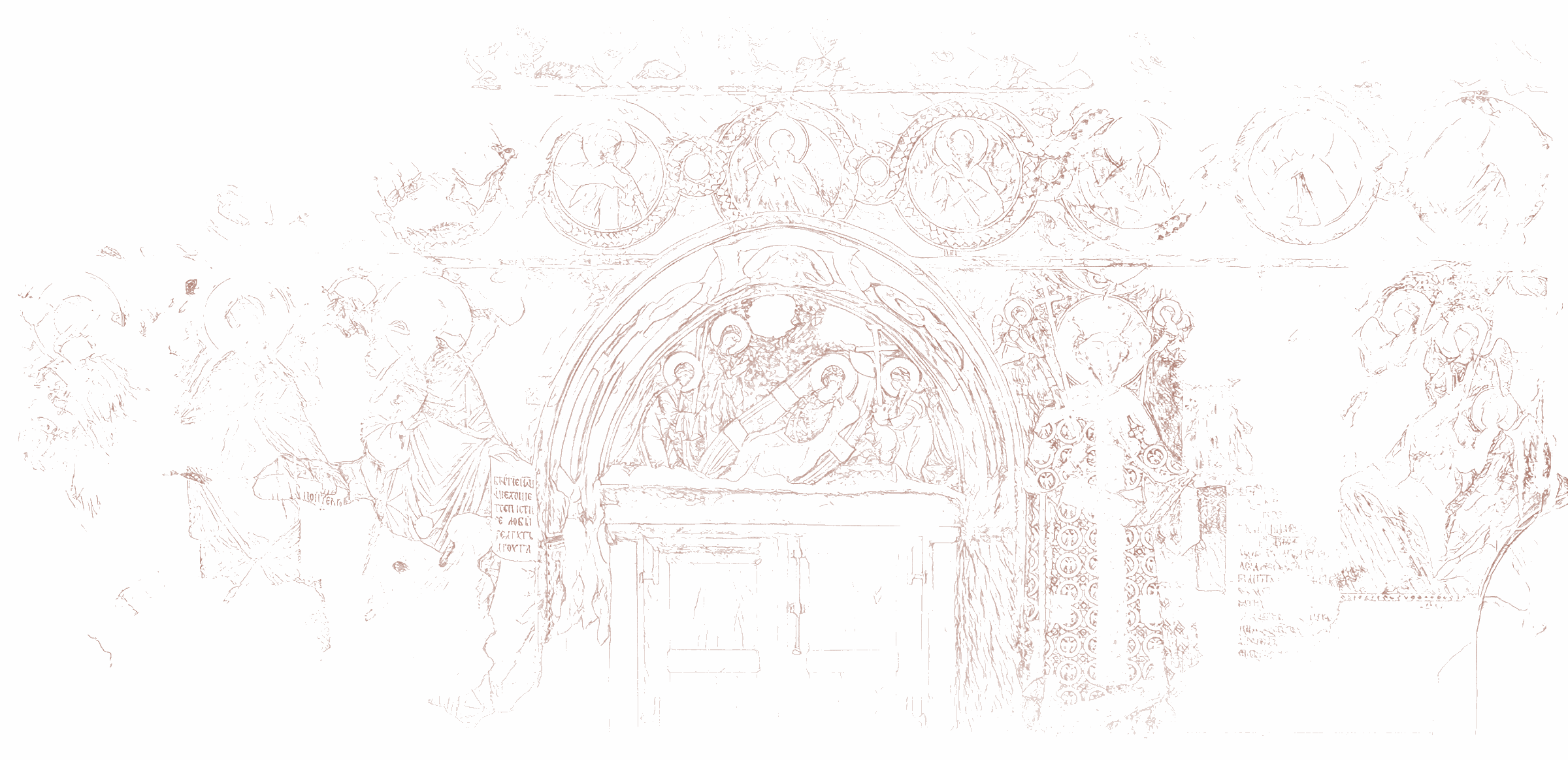
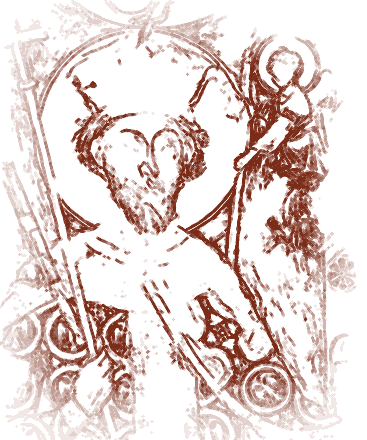
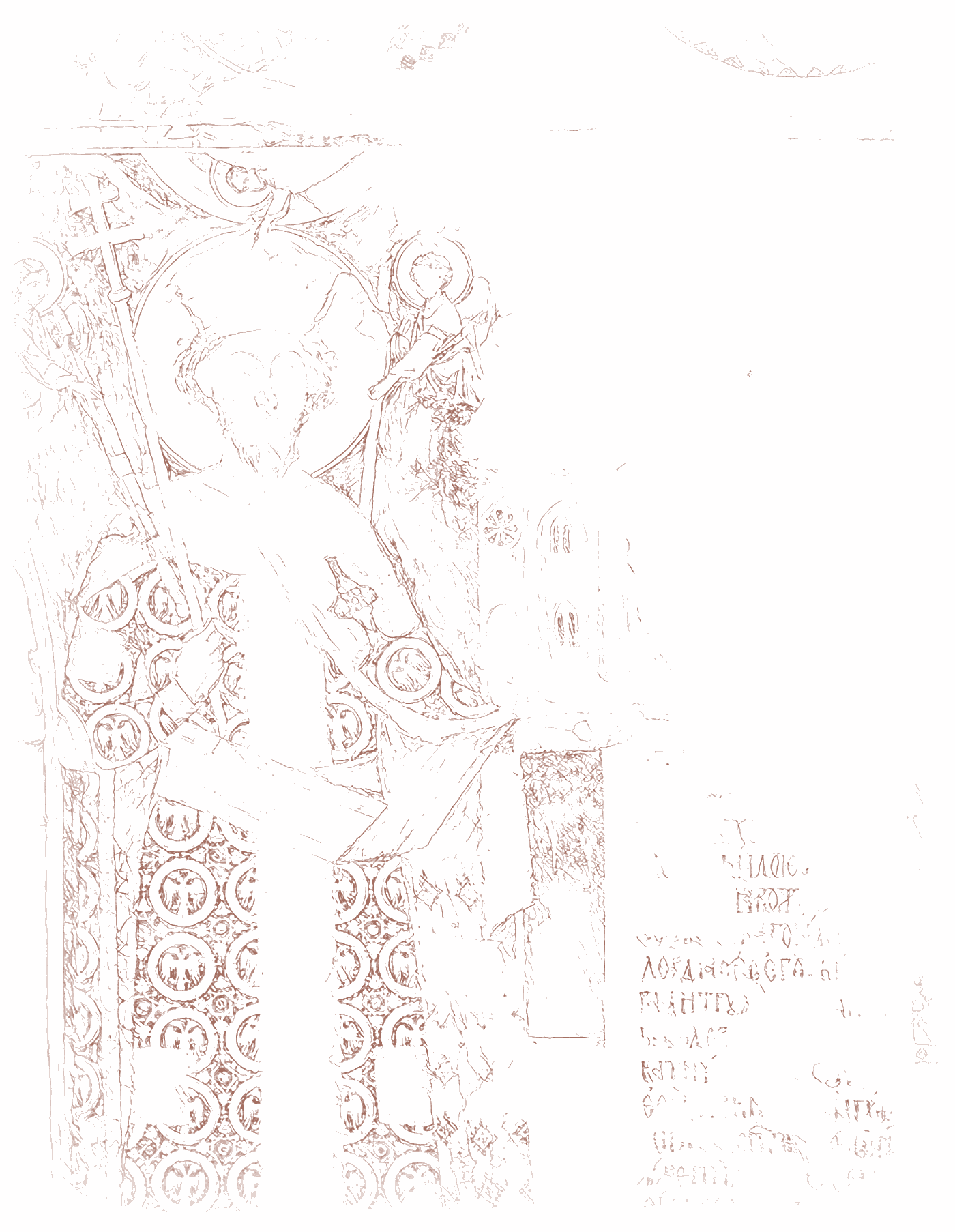
Stefan's artistic and spiritual legacy is also reflected in the numerous portraits of this pious ruler in monasteries throughout Serbia - testimonies to his works as a founder. In the church of Manasija Monastery he is depicted holding a model of this church in his hands: his portrait in the founder's composition reflects the sanctity of his rule. Frescoes from Ljubostinja, Rudenica, Kalenić and other churches of the Serbian Middle Ages depict Despot Stefan with his characteristic fair hair and blue eyes, pointing to his physical and spiritual beauty. Despot Stefan Lazarević, as one of the most important Serbian medieval rulers and spiritual figures, was depicted with a halo in the frescoes of Serbian monasteries. This manner of depiction not only points to his high spiritual standing but also presents him as a righteous man, a saint, a herald of the Kingdom to Come and a citizen of the coming Kingdom of God - and it testifies to the reception of his person in the consciousness of the people and the Church. Stefan is depicted with a halo in the frescoes of the monasteries he raised or restored, as well as in other Orthodox shrines that came into being during his reign. His haloed image is found in Manasija, his principal endowment, but also in the monasteries of Kalenić, Ljubostinja, Rudenica, Koporin, Dobrun and elsewhere.
In written testimonies, in the writings of his contemporaries, Despot Stefan is likewise described with hagiographic features, at times even panegyrically - as in the Life written by Constantine the Philosopher, or in the note of the translator Dositej from 1418. These facts tell us that the Despot was venerated even in his lifetime as a person of exceptional spiritual qualities, and after his repose as a saint as well: the surviving traces of the cult of the Holy Despot
testify that he was regarded as a saint not only in the Serbian lands but in other Slavic lands as well.
Stefan's health in the last years of his life was severely impaired, especially as a result of the many wounds sustained in battle. Aware of his weakness and of the uncertain future of the state, Despot Stefan Lazarević resolved to settle formally the question of his successor. In keeping with the traditions of the Nemanjićes, he convened an assembly of the Church and the people at Srebrnica, probably near Stragari, beneath Mount Rudnik. At this assembly, in which the Serbian Patriarch Nikon (1420–1435), the hierarchs, the magnates and the nobility of the Serbian lands took part, Stefan designated his nephew Đurađ Branković as his successor and future ruler [ŽDS 82]. On that occasion he asked those present to accept Đurađ as their future lord and to remain faithful to him. He also required of Đurađ himself that he solemnly pledge to continue his policy and not to change it, which pointed to Stefan's wish to secure stability and continuity in the governance of the country. Although the exact date of the assembly is not known with certainty, it is presumed to have been held in 1424 or 1425. Besides this conciliar agreement, Despot Stefan also secured his decision on the succession in an agreement with the Hungarian King Sigismund. He met with him in May 1426 at the spa of Tata. It is presumed that at this meeting the terms were probably agreed that enabled Đurađ Branković to inherit rule over the Serbian Despotate, while preserving the alliance with Hungary and stability within the Serbian territories.
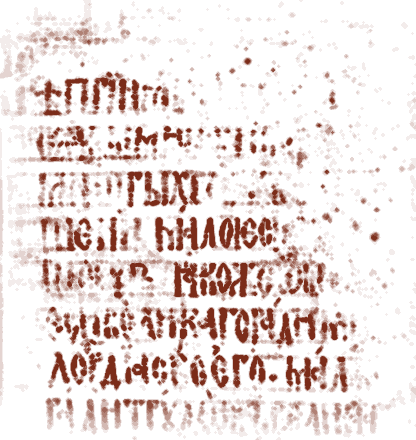
Despot Stefan Lazarević reposed and passed into the bosom of Abraham on Saturday, July 19, 1427, near a place called Glavica. According to the words of his biographer Constantine the Philosopher, the last words he uttered were: "Fetch Đurađ, fetch Đurađ" [ŽDS 86]. At the place of his death, Đurađ Zubrović raised a marble pillar with an inscription, which still stands today in the churchyard of the village church in the hamlet of Crkvine in Markovac near Mladenovac. In the inscription on the Markovac cenotaph to the Holy Despot stand the following words: "The pious lord Despot Stefan, the good lord, the most good and dear and sweet lord Despot!" [SSZN 245].