


Despot Stefan Lazarević
The Life and Deeds of the Ever-Remembered Despot Stefan
Page 15 of 50
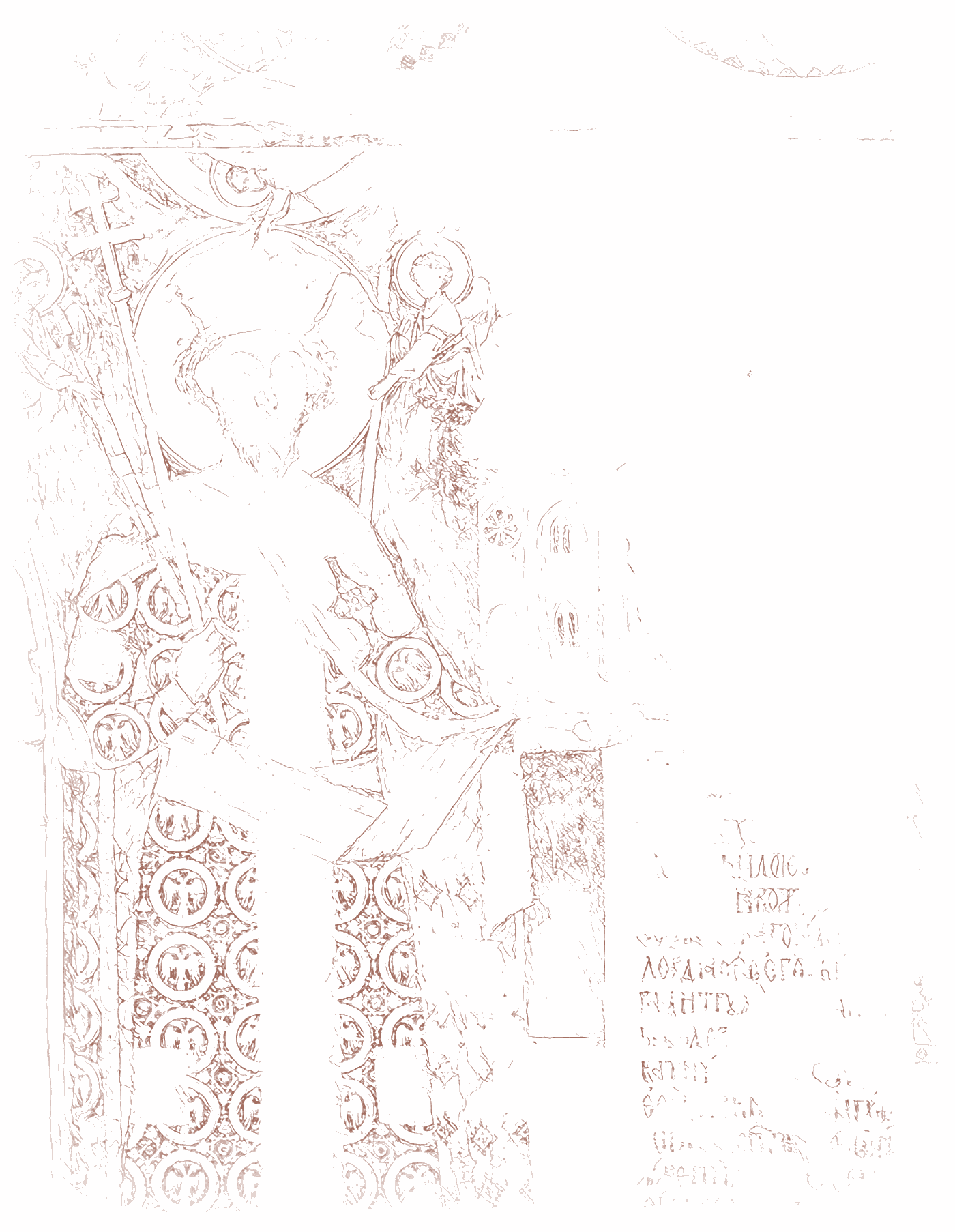
30. And because of this the right-believing lady /Milica/ went to Emperor Bayezid, and she took with her also her kinswoman, the former wife of Despot Uglješa, the daughter of a certain caesar.62 She was exceedingly wise in many things, and the ever-remembered (Princess Milica) regarded her as (her) support and help, especially in the matter of the things that had come to pass. When the sultan summoned them to himself, (the princess) was in dread at (having to) see him, (but) (Jefimija) said to her: "Cast away (from thyself) all fear, since they have (only) deigned to let us see him." They wisely concluded all their affairs with the help of the Mother of God, in whom they placed all their hopes.
31. Afterward, because of this, the most pious and ever-remembered Prince Stefan also went, still fearful, for on the counsel of certain men he had agreed to be a friend of the Hungarians. Seeing that this intention of his would not be possible in the future, he took counsel with his most pious mother, (went forth) and came to the eastern (emperor Bayezid); there all was according to the (words) of Solomon: "The king's heart is in the hand of the Lord"63 because of Thy goodness, O Master, and because of the things of which he was afraid and in dread. Therefore he concluded everything favorably, and the untamable (imperial) wrath he turned to mercy and love, (to such a degree) that (the sultan) counseled and instructed him with the kindest words as his dearest son. Having come to Bayezid, (he saw) that, once the meal was (finished), it was the custom for all to depart (from there); (but) this one (the Despot) would not go, but remained standing. When the emperor asked him the cause (of such conduct), he said: "My lord, rather than that someone else should blacken me before Thy Majesty, I myself shall set forth my transgression, which, instead of me, certain others have reported to Thine Imperial Highness, (namely) that I am falling away from the service of Thy state and that I am a friend of the Hungarians. Having considered these unseemly (slanders), I remembered the oaths and the instructions that thou gavest me, (and) I have come. My life before God is in Thy hands, and do what Thou wilt." And this one (the sultan) was silent a little, marveling, and answered with kindly words: "O my dear one, what didst thou expect from the Hungarians? I wished to conquer (that) land. And what wilt thou do there? Who among rulers, having bowed his head before the Hungarians, has achieved anything in his own land?" With this he mentioned the Bulgarian emperors, (as well as) certain others. "And thou," he said, "if thou art with me, but goest (there) where I do not go, thou hast reason for alarm; but if thou art with me where I am, there is no reason for thee to be alarmed. We are rulers, and if we do not go against others, others (too) will not come against us. For by armies the mightiest empires are upheld and extend (their borders). Today I present thee as my eldest and most beloved son before all - both mine own and (those) who are further east (than we). Who is held by me in such honor as thou? I am already advanced in years. I shall die either of sickness or in battle. And thou, living thus (in concord) with
- The reference is to Despotess Jelena (later the nun Jefimija), daughter of Caesar Vojihna of Serres and wife of Despot Jovan Uglješa; exceptionally educated and gifted, she composed, among other things, a moving prayer and embroidered it on a diptych-icon on the occasion of the death of her only son, who died before the Battle of the Maritsa and was buried at Hilandar. With her kinswoman Princess Milica she lived in the Ljubostinja Monastery (after the Battle of Kosovo); she was her faithful and constant companion on the various diplomatic missions the princess undertook and, in all likelihood, took an active part in the political and social life of the Serbian Despotate and, probably, in the upbringing of the sons and daughters of Prince Lazar and Princess Milica. Also preserved are her inscription on the curtain for the royal doors at Hilandar, as well as her famous poem, the Encomium of Prince Lazar.
- Proverbs 21:1.