



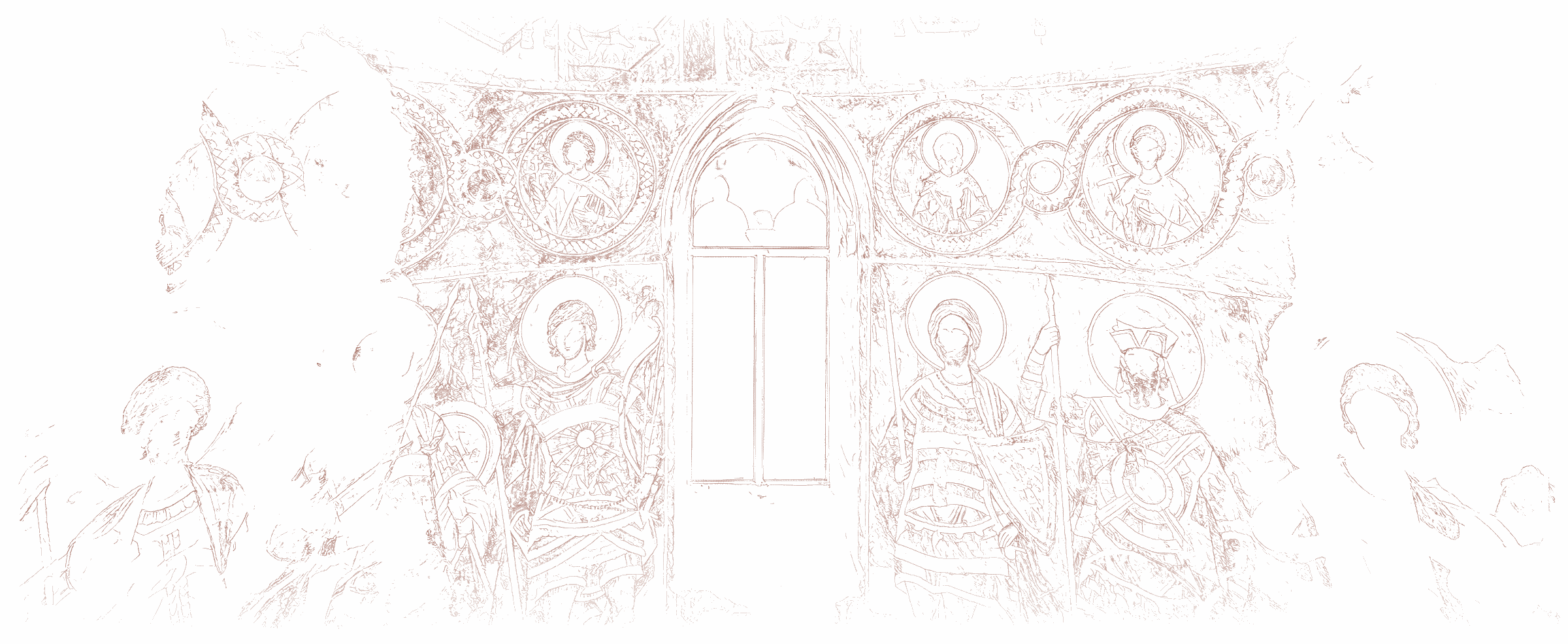
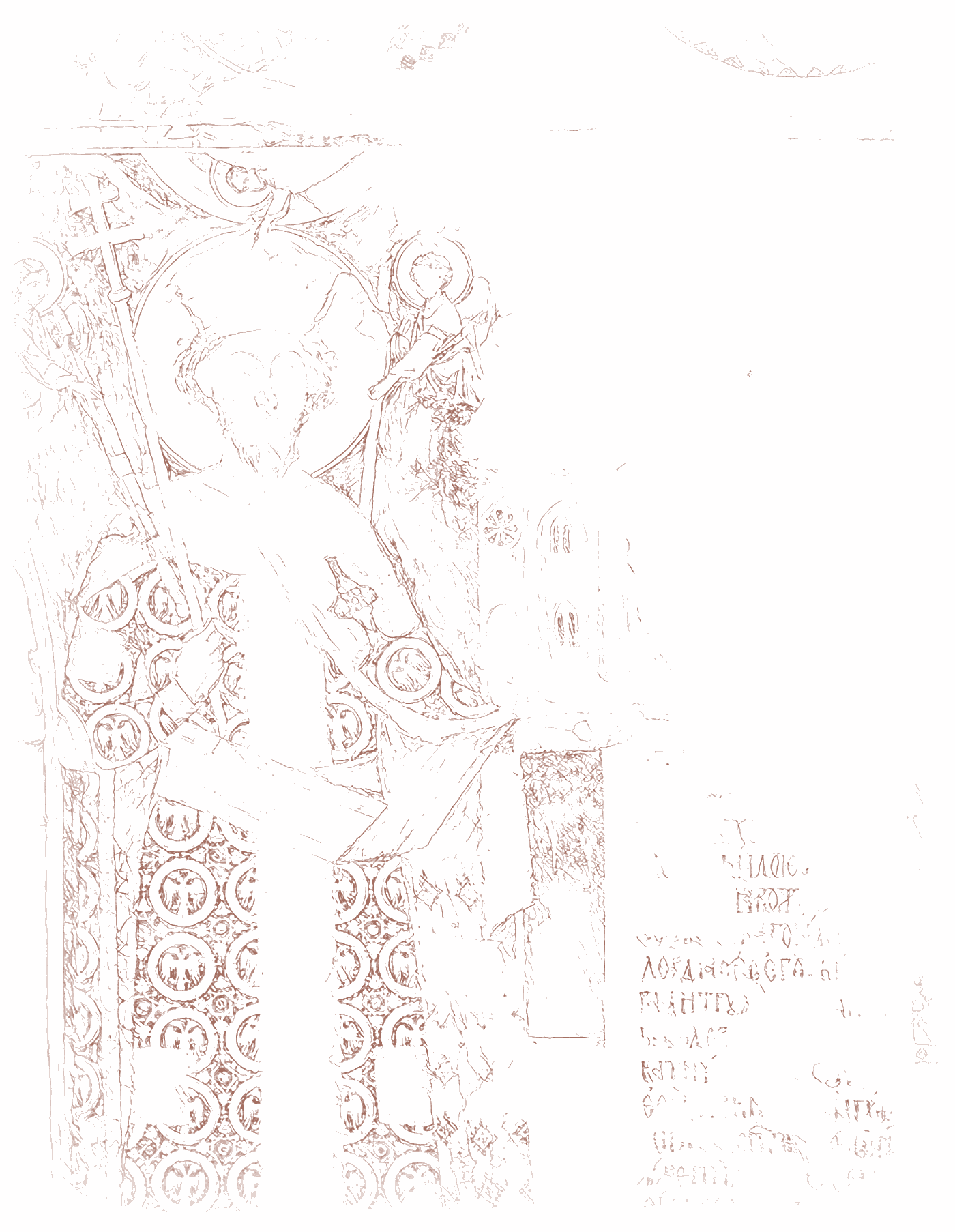
recorded in 1597 that the holy body of Despot Stefan lies in the monastery Church of the Holy Trinity [MDP 57 (93: 24a)], and his figure as a saint appears in the wall paintings of Serbian churches during the 16th and 17th centuries.
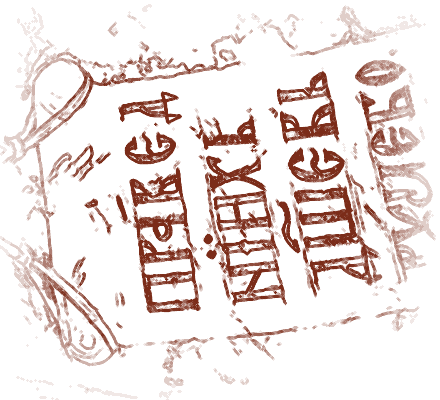
The extensive Life of Despot Stefan, written around 1431, remains a monument that joins history and hagiography, a masterpiece that bears both within itself - the trace of history and the light of the Kingdom of God. When we speak of the Life written by Constantine the Philosopher in the broader sense, we again touch upon an exceptional literary work. A work from the pen of an exceptional writer. If we take into account the fact that in writing this work the writer made use of an acrostic - which escapes us in copies and translations (it can be sensed in the Bulgarian translation by Ana-Marija Totomanova, made from a copy in the library of Valtazar Bogišić), that he expressed himself in a high style and used complex structures (in the treatise Account of the Letters he writes in secret writing, cryptographically), we can sense the greatness of the gift the writer possessed. If we add to this the distinctive two-dimensional structure of the Life - hagiographical and biographical - we can sense how much labor and talent the writer invested in his work. And the work is valuable also as a biography, reduced to its factual dimension.
The aim of the writer of the Life of Despot Stefan Lazarević was to portray as faithfully and completely as possible the life of a great ruler, a man whose path was marked by trials, wars and personal tragedies, but also by sublime achievements and spiritual ascent - the life of a man unique and certainly exceptional, in the best sense of that word. The Life as a biography, the story of the Despot's life, is a story of unceasing struggle, of steadfastness and unshakable faith, of a man who even in the darkest times remained a symbol of chivalry and righteousness, being above all a Christian. Despot Stefan was, without doubt, a Christian knight in the loftiest sense of the word, a pious ruler grounded in his faith and devoted to the Christian way. His reign, imbued with both secular and spiritual values, placed him among the most ideal medieval rulers of Europe.
Stefan Lazarević, Serbian prince from 1389 to 1402 and despot from 1402 to 1427, is one of the most striking figures of Serbian history. He inherited a state far smaller than the former empire of Dušan, burdened by vassal obligations to the Ottomans, with unreliable allies in the north, where the Hungarian rulers played a double role - now of support, now of threat. Before him lay numerous challenges: the economy had to be strengthened, ruined towns rebuilt, fortifications raised, devastated regions resettled, and the nobility, which resisted central authority, pacified. But beside all these battles, Stefan knew that one battle must not be lost - the struggle for spiritual identity, for culture and literature, the struggle for the continuation of the glorious tradition founded by the Nemanjićs. On that field the Despot was invincible.
The Serbian Despotate became a refuge for scholars, monks, artists and builders from the entire region. The Despot supported them generously, aware that a state is not only the sword and the rampart, but also the pen and the book. He himself was not only a patron of the arts, but