

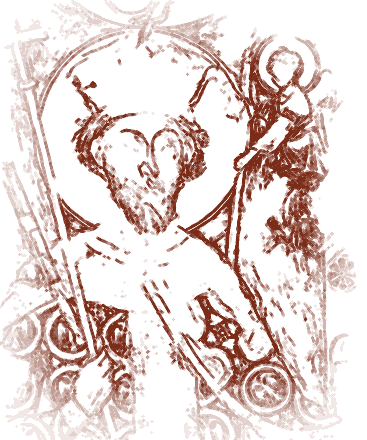
Despot Stefan Lazarević
The Mining Law of Despot Stefan
Page 3 of 11
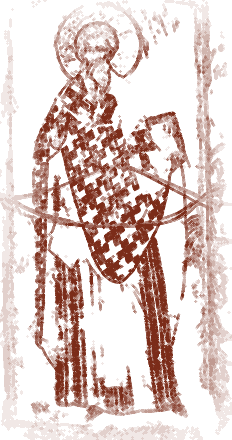
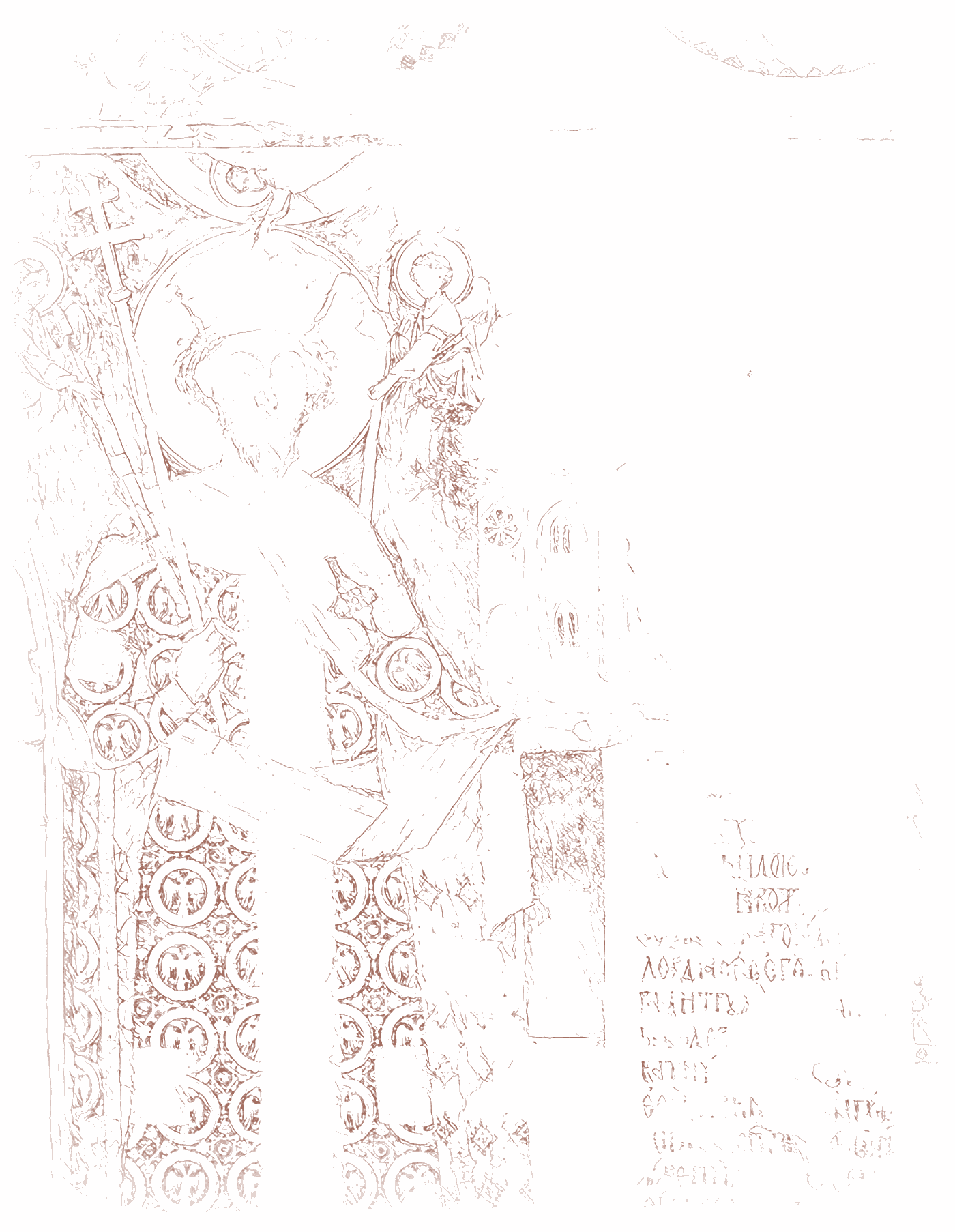
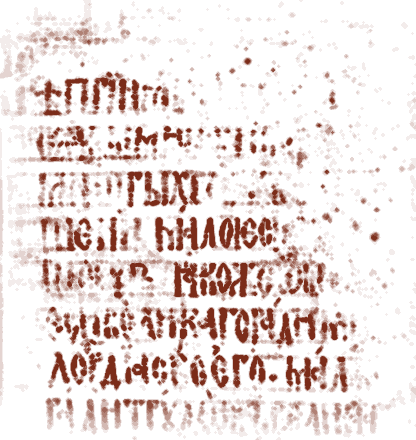
During the reign of Despot Stefan Lazarević the need arose to define anew the relations among those taking part in the extraction, smelting and processing of ore, as well as to regulate relations within the mixed population of Novo Brdo. The Despot responded quickly to the first request of the Assembly of the city of Novo Brdo, undertaking the procedure for enacting the Mining Law. It is interesting that the very process of enacting this Law was based on principles that were customary in the countries of Western Europe. The Despot applied Western European practice, according to which the miners themselves proposed the legal norms and the ruler merely confirmed them. The Despot therefore gathered twenty-four experienced miners who were not from Novo Brdo and gave them the task of drafting the Law for the mines of Novo Brdo themselves, after which he confirmed that Law with his signature and seal, whereby this document acquired official legal force.
This law established the rights of the miners and their privileged position in the city. The Law regulated many questions concerning the organization of work, the rights of the various participants in the process of mining production, and the protection of the miners' interests with respect to the owners of the mines. The Code consisted of 52 articles regulating the life, rights and work of the miners, as well as the functioning of the mines. It protected the miners in the purchase of provisions by limiting prices at the market and the prices of craftsmen's services. The Law also dealt with the arrangement of the interior of the mines, with living quarters and with road infrastructure.
The only known Serbian text of a mining law preserved to this day is the copy of this Mining Law of Despot Stefan. The copy, which was made in the 16th century, is now kept at the Serbian Academy of Sciences and Arts in Belgrade. It is assumed that there were also earlier mining laws, going back to the reign of King Uroš I, since at the beginning of the 15th century the Assembly of Novo Brdo explicitly asked Despot Stefan to give them "the law on the mines that they had under the first lords."
The manuscript of this Code was made at the time of the Serbian spiritual revival at the end of the 16th century, after the restoration of the Patriarchate of Peć. It is assumed that the Turks commissioned it in an attempt to regulate mining in the Ottoman Empire. The Law later served as the basis for Turkish legal texts on mining, which came to be called the "Saxon Law."
It is interesting that Academician Petar Kolendić (1882–1969) found in the City Library in Split a Latin-script copy of the Mining Law, which was made in 1638 at Chiprovtsi, in Bulgaria, by order of a certain Franjo Markanić, for the mines there. This copy confirms that the Serbian mining law had wide application and influence.
As for the manuscript of the Mining Law of Despot Stefan itself, it came to Serbia thanks to Franc Hočevar (1913–1992), ambassador of the Federal People's Republic of Yugoslavia in Bucharest. After the Second World War his wife bought this manuscript at an auction in Vienna, and on April 11, 1959, F. Hočevar donated the manuscript to the Serbian Academy of Sciences and Arts. According to a note in the binding, it appears that before that the last Serbian owner of this document was