



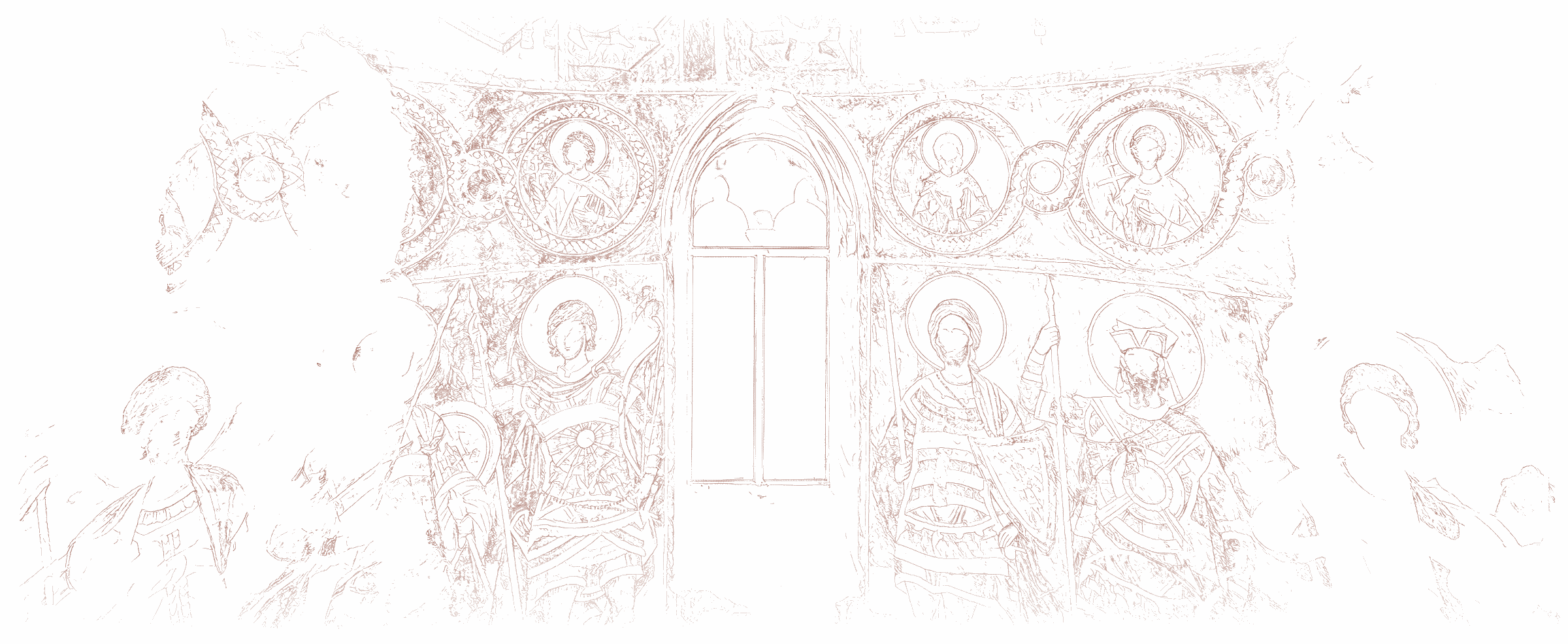
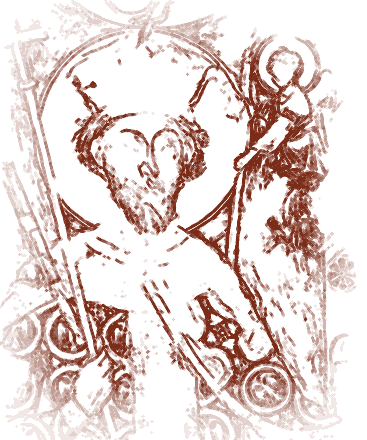
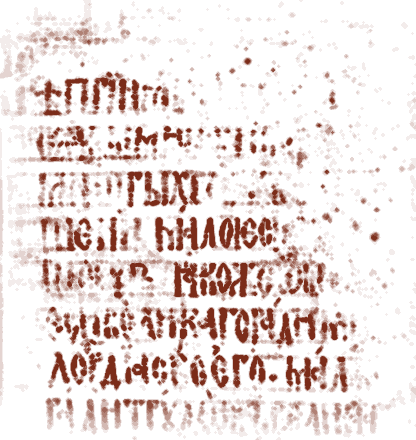
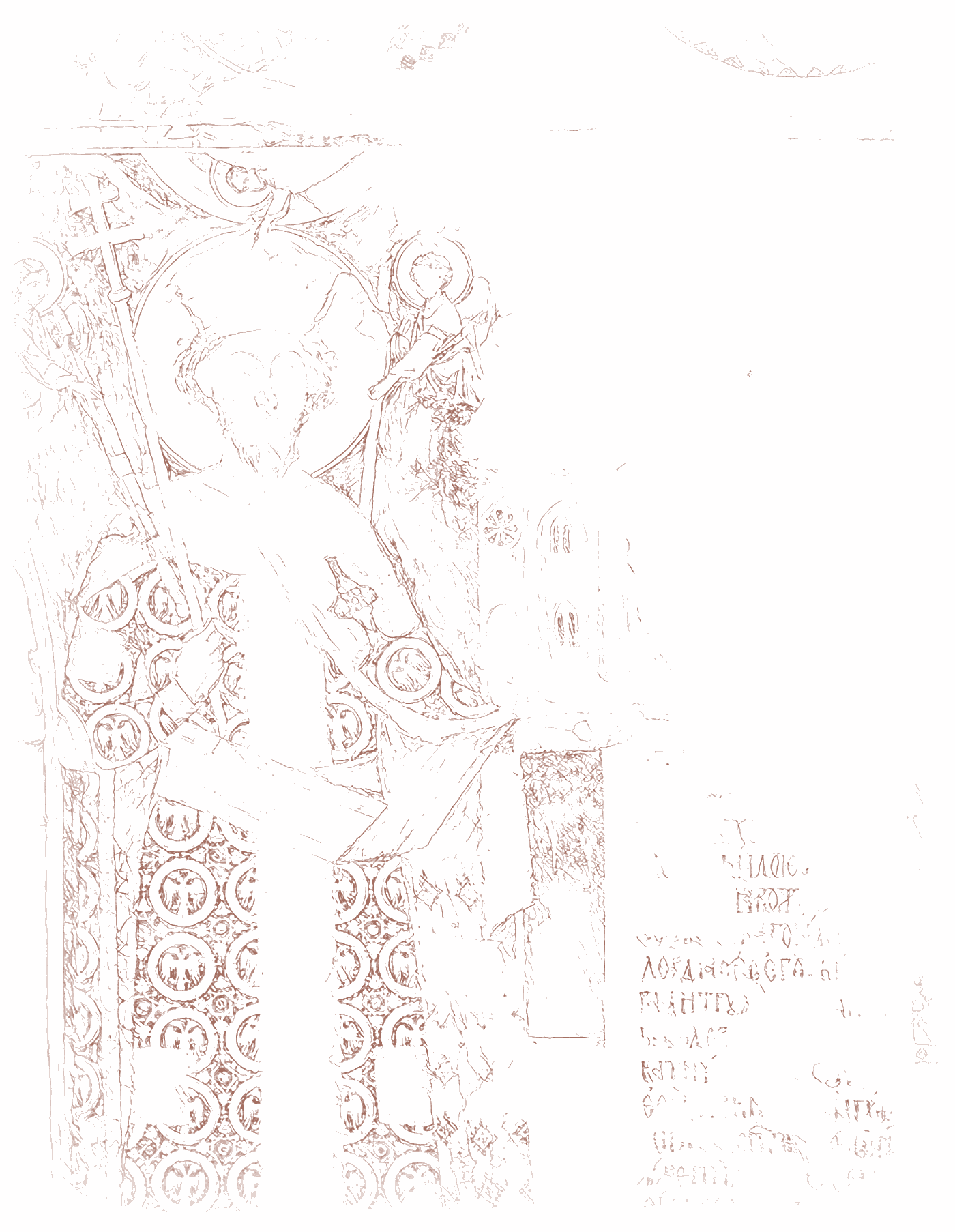
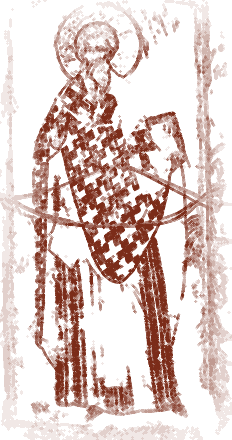
and patron, a brave hero who in battle won the respect of the Mongol tyrant Tamerlane, he is inscribed in popular and church tradition as a Saint, as a herald of the Age to Come, as a citizen of the Coming Kingdom. The Serbian Despot Stefan Lazarević is depicted with a halo in the frescoes of the Serbian monasteries of Manasija, Kalenić, Ljubostinja, Rudenica, Koporin, Dobrun...
The figure of Despot Stefan, besides the surviving documentary sources and the native and foreign chronicles and travel accounts, is illuminated above all by the Life written by Constantine the Philosopher, the Despot's contemporary. This hagiographic writing is distinguished by genuine historical factuality, as Radovan Pilipović observed in his article on the Holy Despot. The title of this Life reads: The Life and Deeds of the Ever-Remembered, Glorious, Pious Lord Despot Stefan, Written at the Command and Request of the Most Holy Patriarch of All the Serbian Land, Kyr Nikon, and of the Court Officials, and through the Vision of a Thrice-Holy Apparition, While Despot Stefan Himself Asked that This Be Done. Pilipović underlines the originality of this title and remarks: "Already in the title transcendent and dramaturgical details are revealed: the reposed ruler appears in a miraculous manner to the writer of his Life. The authorship has the blessing and supreme sanction of the Serbian Patriarch..."
The active participation of Despot Stefan in the building up of Serbian church life and piety was not interrupted by his repose at the place called Glavica on July 19, 1427 (the place of his repose was marked by Đurađ Zubrović, who raised a marble cenotaph, which stands in the churchyard of the Church of the Holy Prophet Elijah at today's Crkvine of Markovac near Mladenovac), as is indicated by his Life, written no later than 1431. The Despot's endowment, the monastery of Resava, better known as Manasija, in which his founder's tomb is located, continued to shine with learning and piety, and still shines today after so many centuries - now as a place of the cult of Saint Despot Stefan. The Despot's holiness, whose memory was cherished in popular and church piety, was made official by the inscription of his name in the church calendar. A hundred years ago, at the Extraordinary Session of the Holy Assembly of Bishops held in Peć from August 26 to 27, 1924, the Serbian Patriarch Dimitrije Pavlović raised the question of officially inscribing Despot Stefan in the diptychs of the Serbian Saints. As Pilipović notes, a few years later "Patriarch Dimitrije, at the vigil of July 19, 1927, proclaimed Despot Stefan a Saint, proposing to the Assembly that his name be inscribed in the diptychs of the Saints, and for that occasion he wrote a service to him, which was reproduced by lithography."